
How reconnecting with the coastline taught me about creativity, presence, intuition, and finding joy through life’s ups and downs.
I’m Kim Grant - a nature photographer with an interest in health and spiritual development. My work isn’t just about teaching photography. It’s about exploring how photography can help us experience peace and joy through life’s ups and downs.The seaside was what inspired me to pick up a camera 17 years ago. I’ve always loved photographing the coast, but this summer I realised that I hadn’t been spending nearly as much time there as I used to. I wanted to reconnect with the place that first inspired my photography, so I set myself a simple challenge: to go out and photograph the coast seven times.
Initially, I thought I’d complete the challenge over seven consecutive days. In reality, it took around six weeks. Life got in the way, plans changed, and the project unfolded at its own pace. But by the end, something wonderful happened - my love for photographing the coast had come flooding back.
Along the way, I discovered that these trips offered much more than opportunities to create images. They reminded me of some important lessons about creativity, presence, and life itself. Here are seven of the biggest lessons I learned from my Seven Trips to the Coast series.
1. There’s Always Something New to See
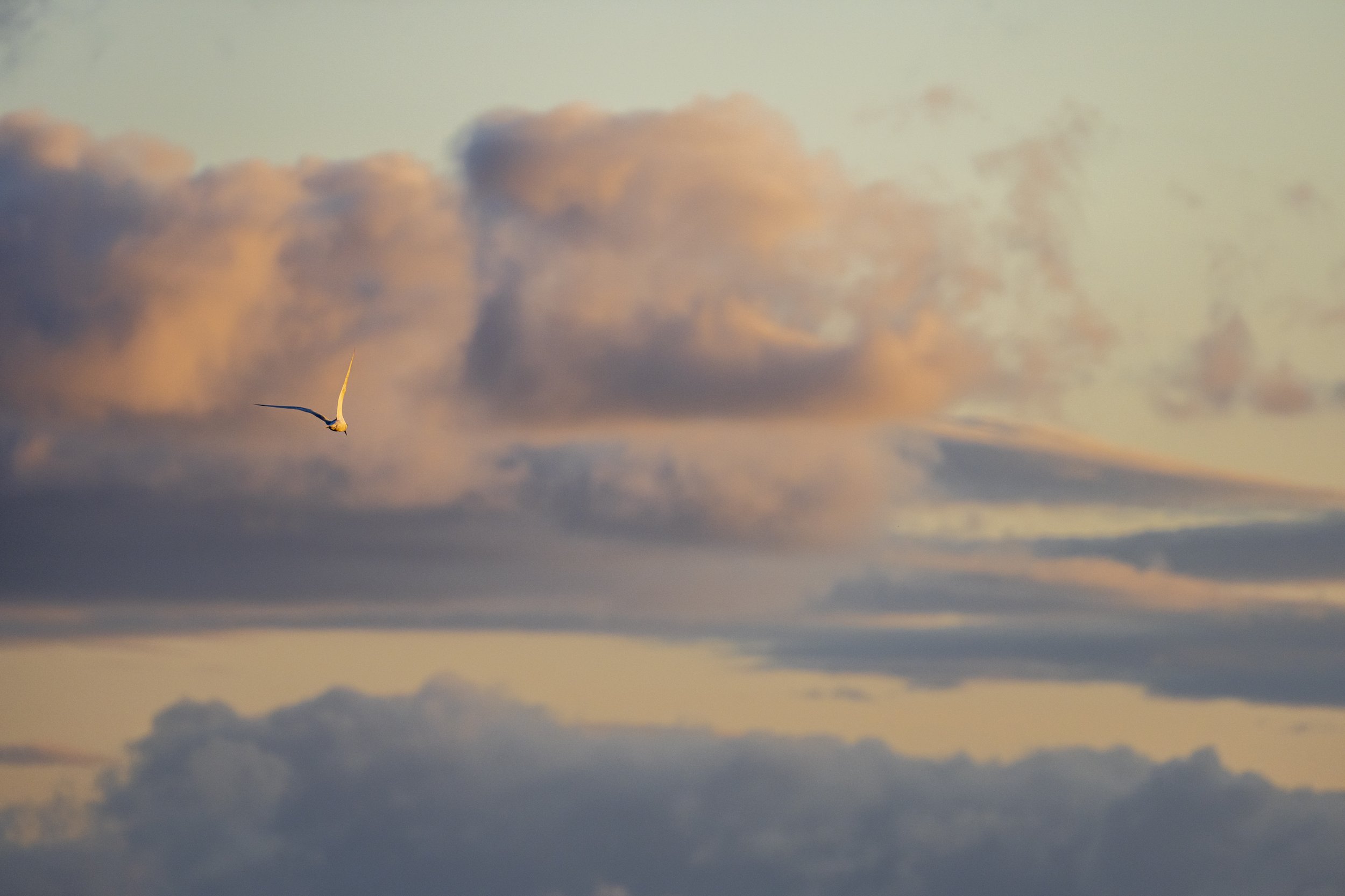
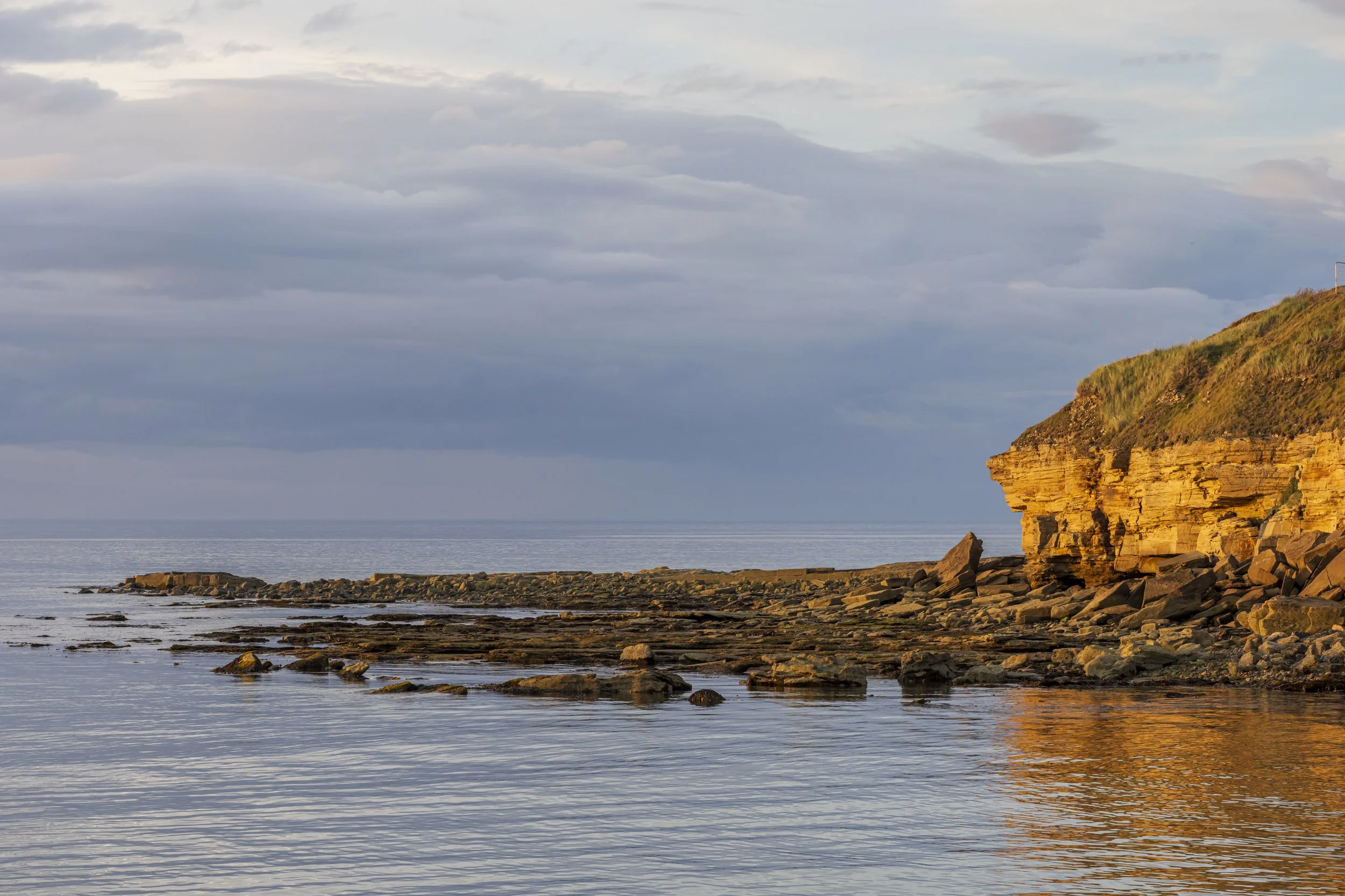
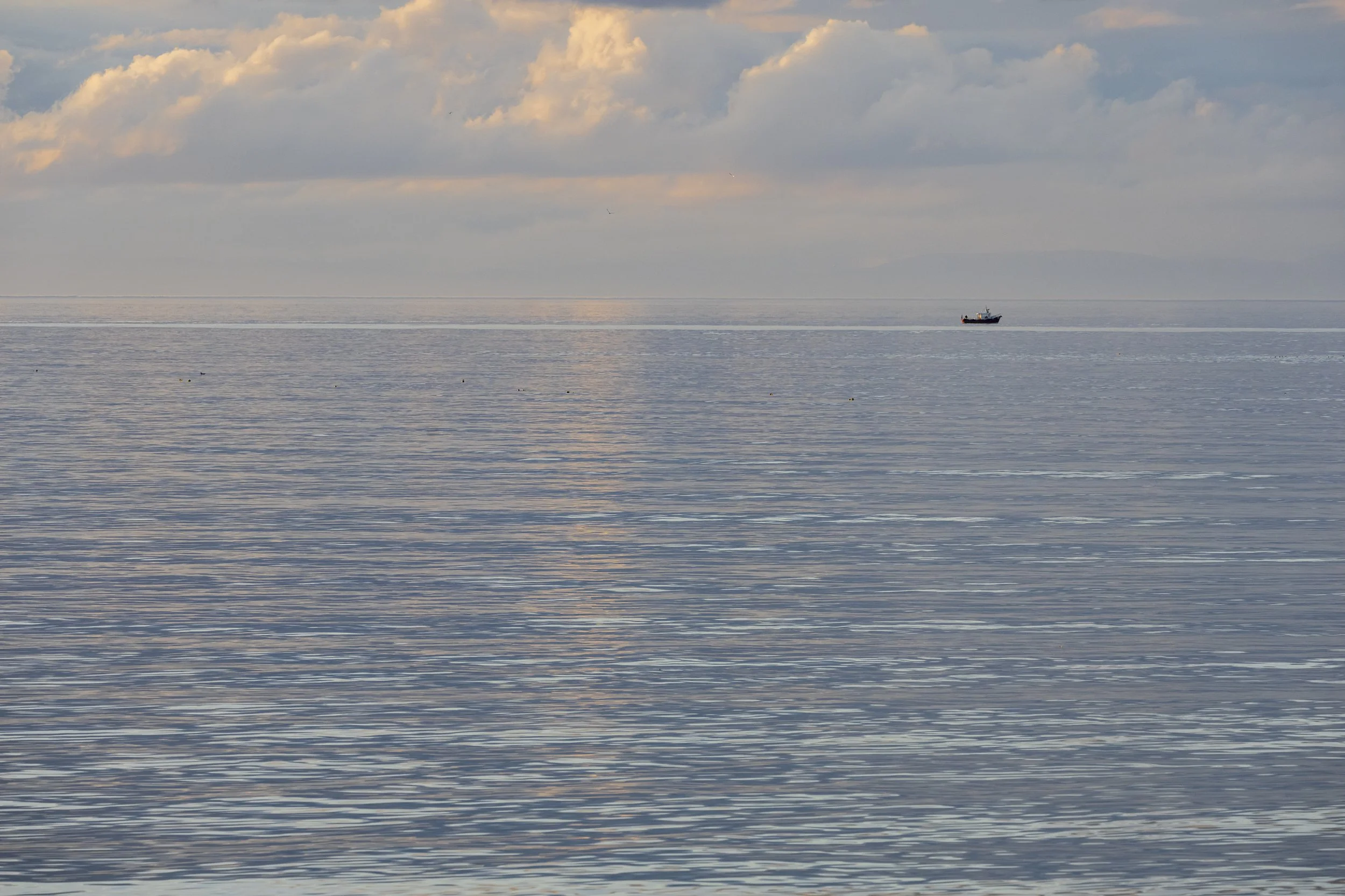
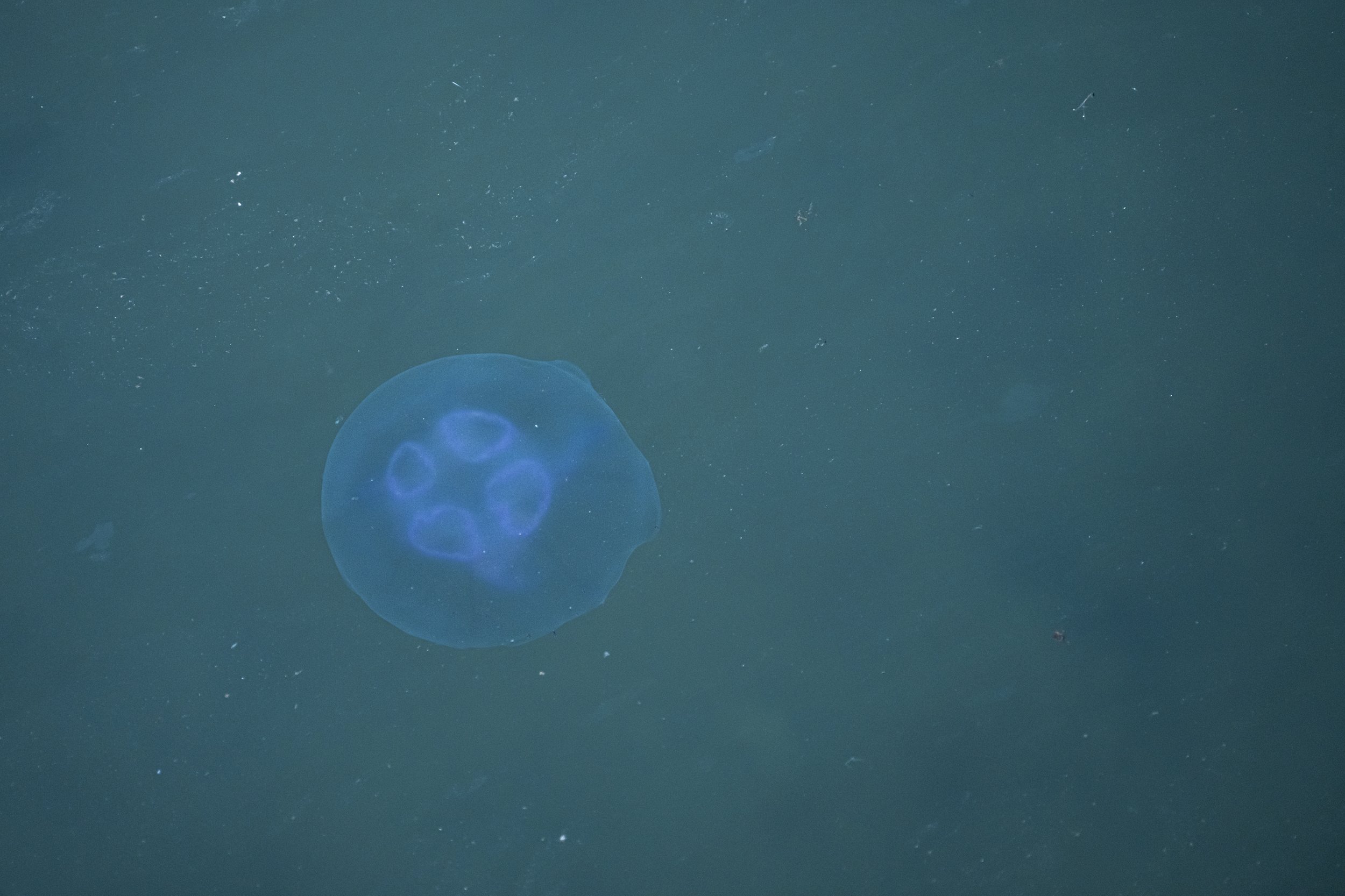
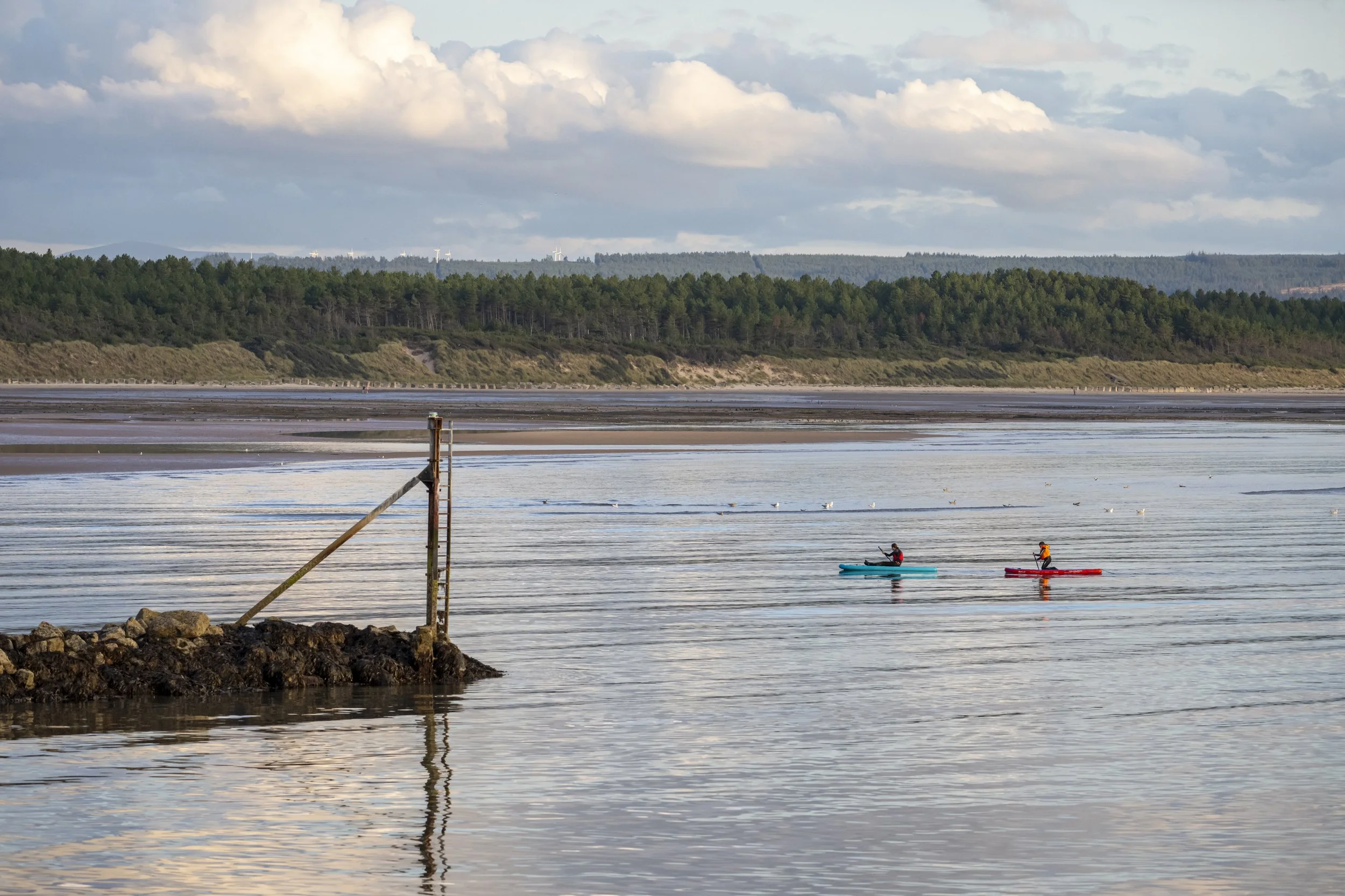
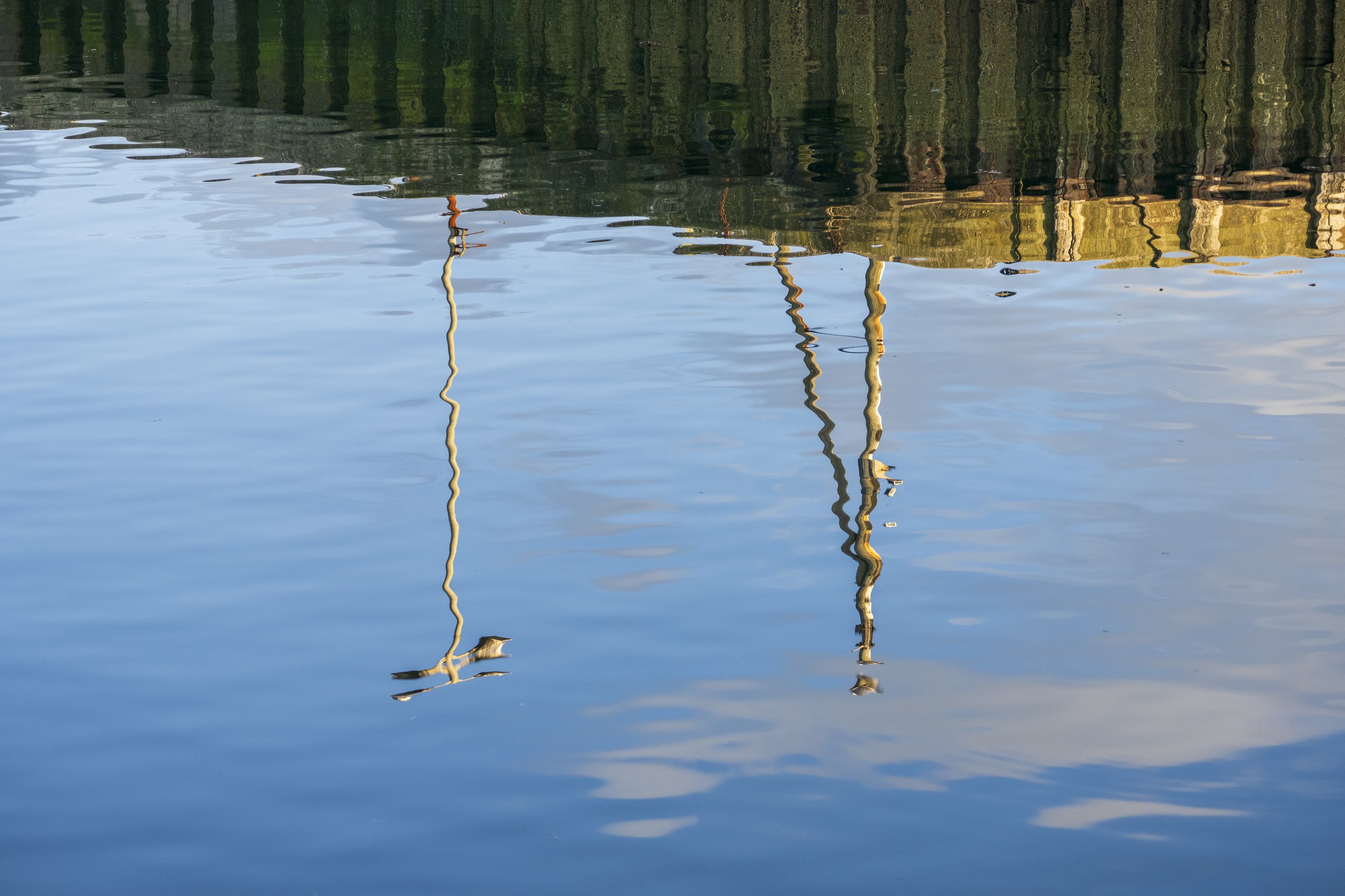
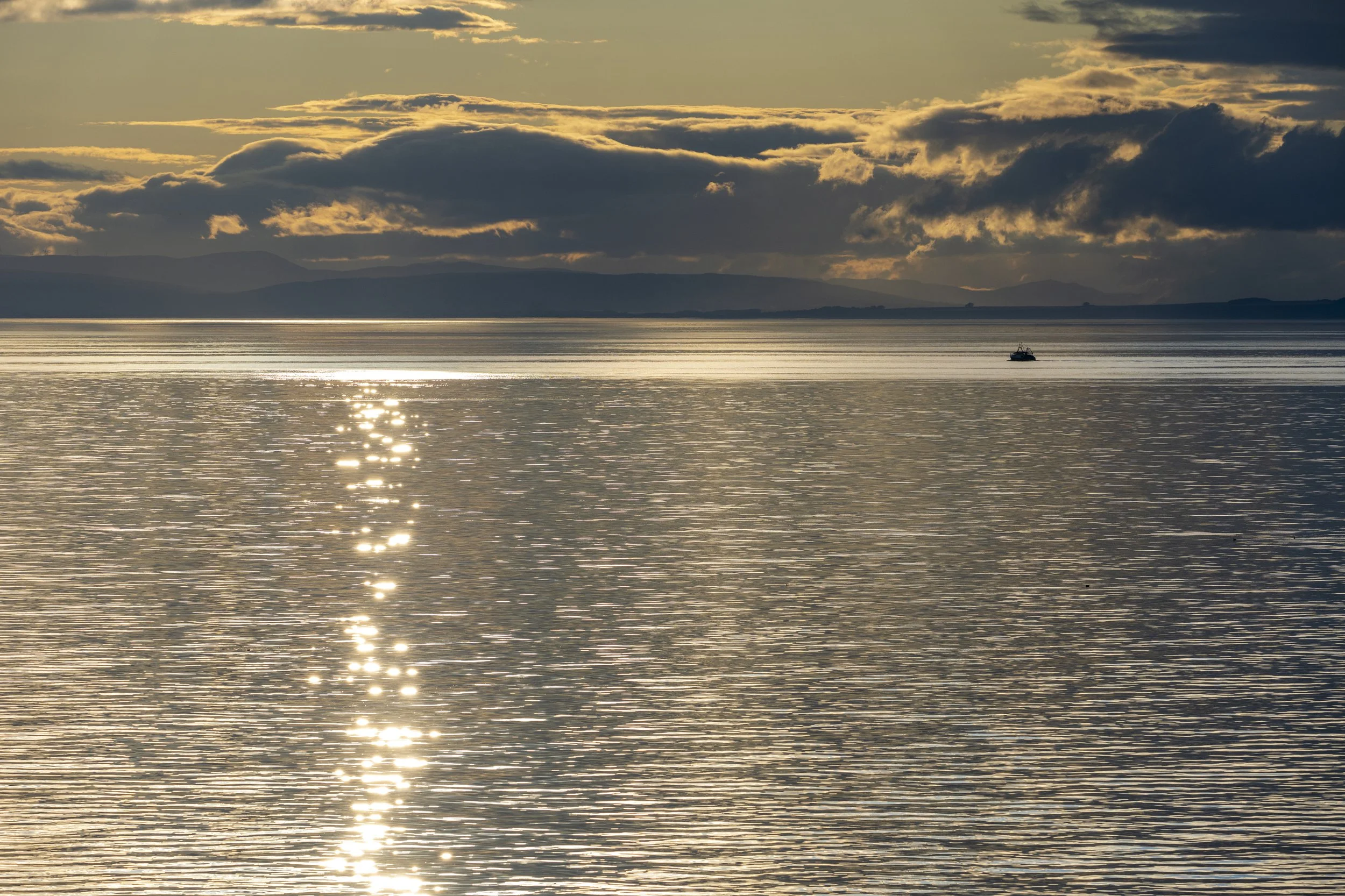
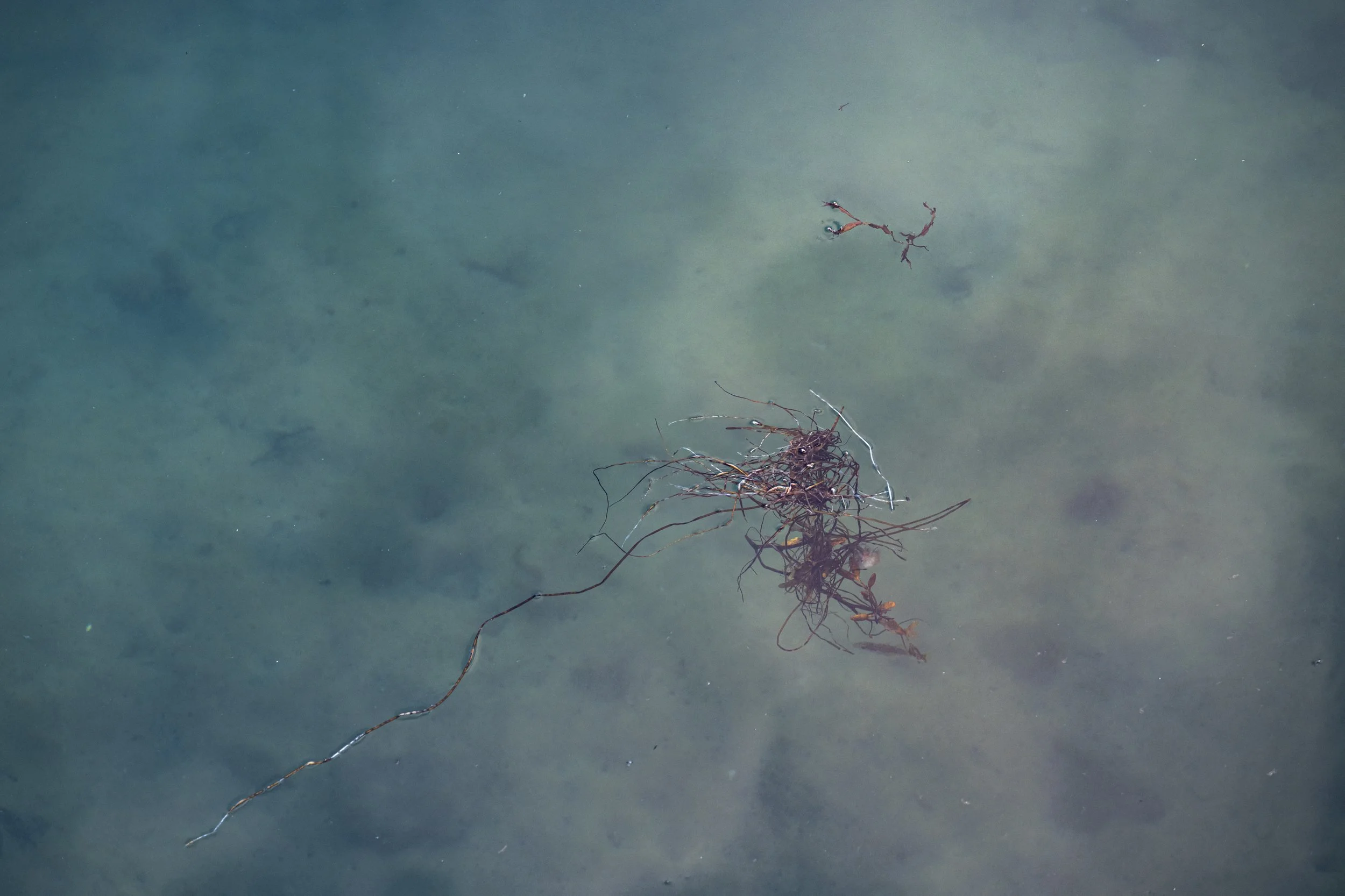
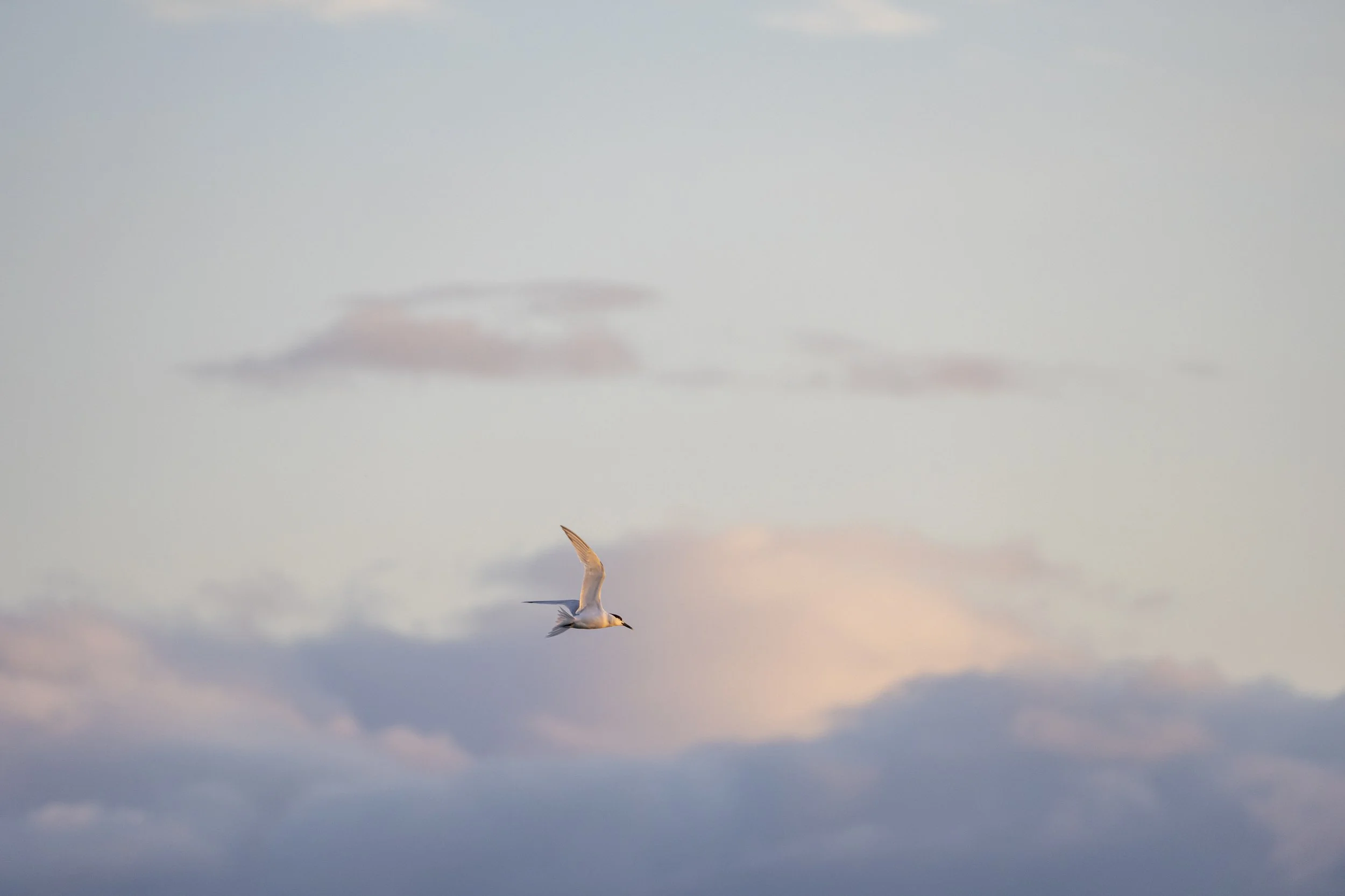
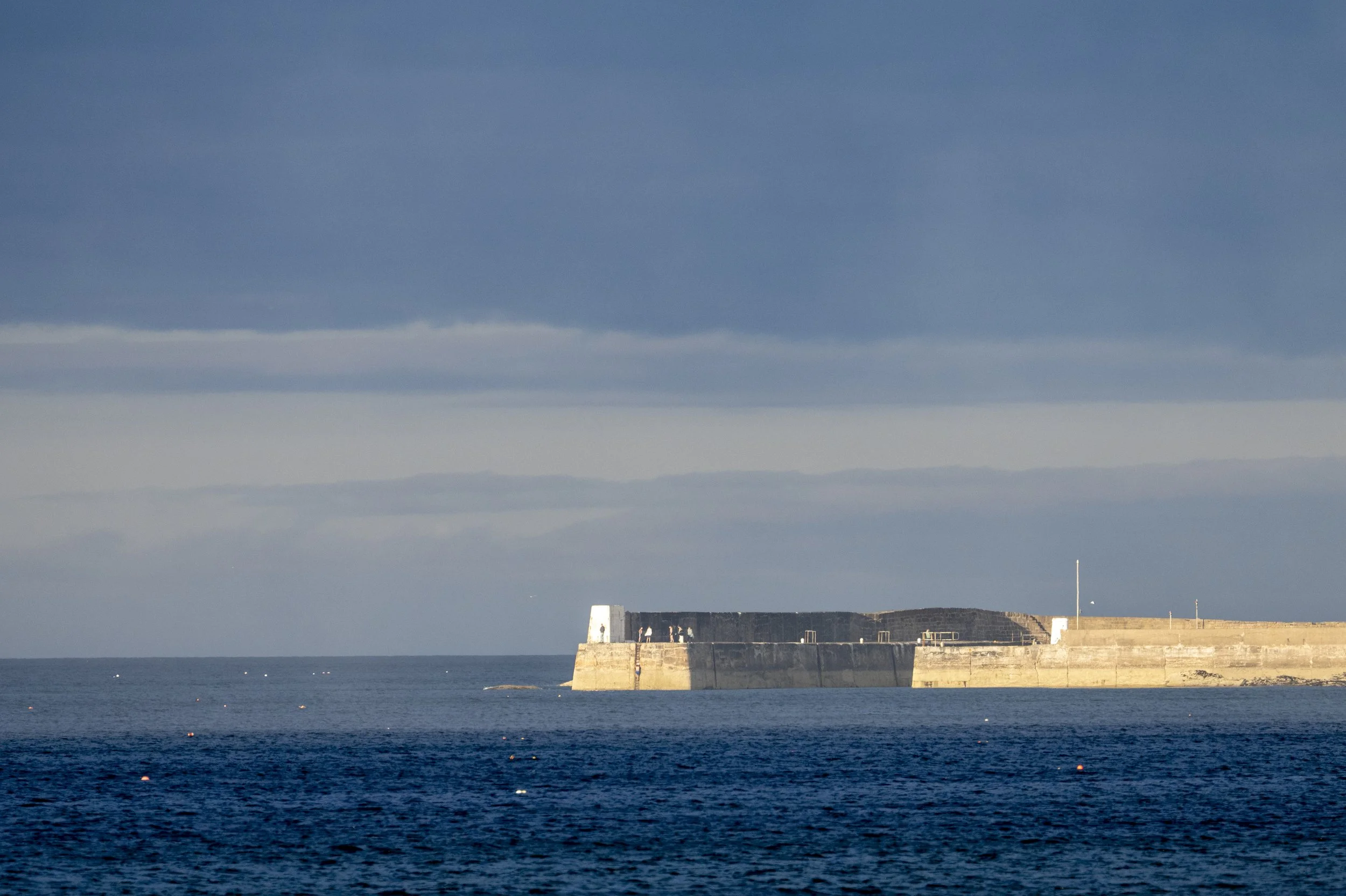
For the first trip in my series, I returned to the village where I grew up. It’s a place I’ve visited hundreds, if not thousands, of times. You might think that after so many visits, there would be very little left to discover. Yet. I’m continually surprised by how much a familiar place can still offer.
The evening light was beautiful and peaceful, but what stayed with me most was seeing things I’d never witnessed there before. There were jellyfish in the harbour, which I loved observing and photographing. Further along the pier, I watched and listened to terns fishing in the water. Although I’d seen terns in other parts of Scotland, I’d never seen them fishing in this particular location. It brought me so much joy.
Returning to somewhere I thought I knew so well reminded me that the world is constantly changing. Even when we revisit the same place, there are always new details to notice and new experiences waiting for us.
This is particularly obvious along the coast. The tides shift, the weather changes, the light transforms, and the wildlife comes and goes. No two visits are ever quite the same. But there’s a wider lesson here, too. Life is constantly changing. We experience periods filled with joy, love, and happiness, as well as times that feel heavy, difficult, and painful. When we’re going through a challenging period, it can sometimes feel as though things will never change.
Spending time in nature can gently remind us that nothing stays the same forever. Just as the tide turns and the weather shifts, our own experiences evolve. There will always be something new to see, something new to experience, and new possibilities we might not yet be able to imagine.
A little reminder: The next time you visit a place you know well, try looking at it with fresh eyes. Notice the light, listen to the sounds around you, and pay attention to the small details you might usually overlook. You may be surprised by what you discover.
2. Creativity Can Save the Day
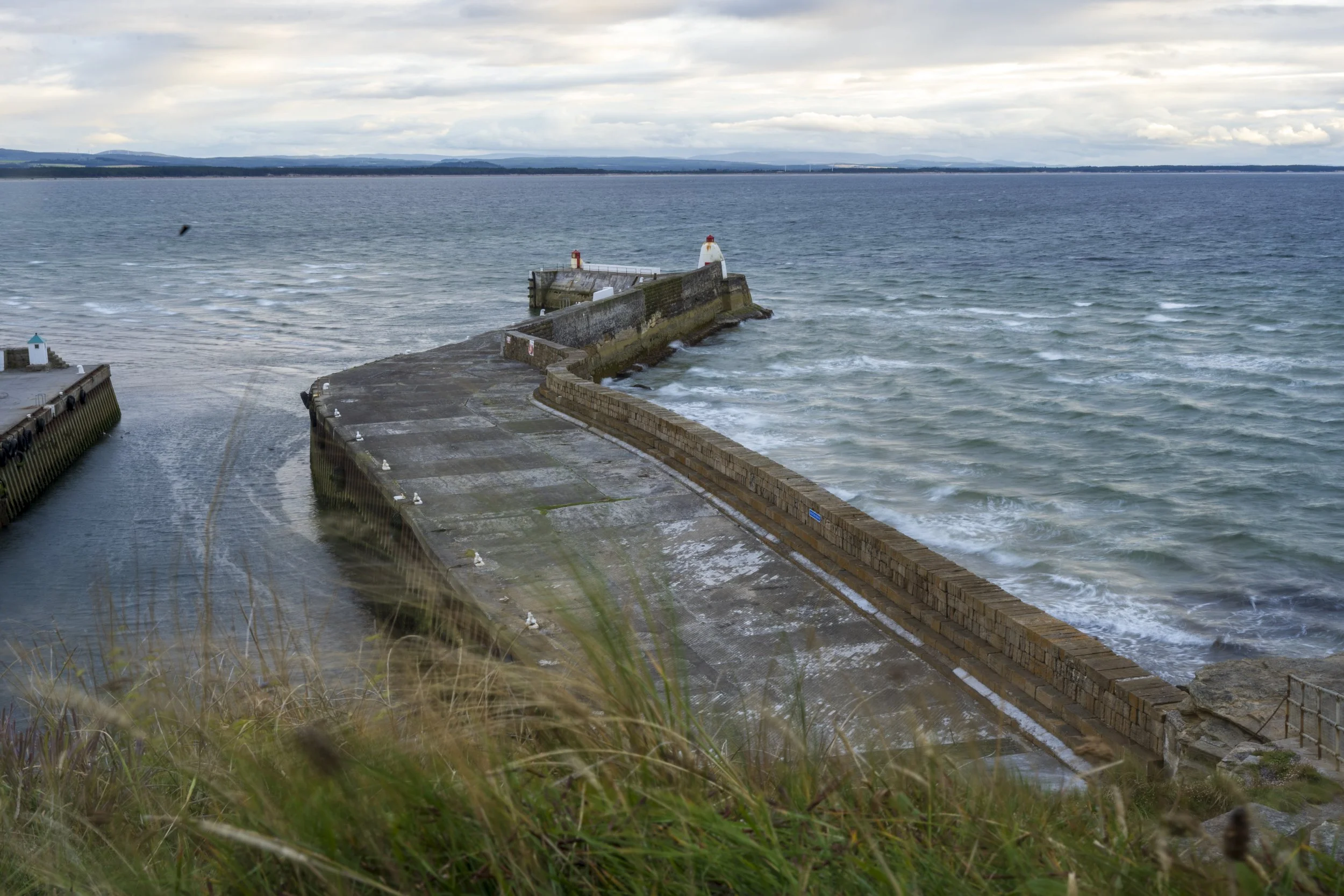
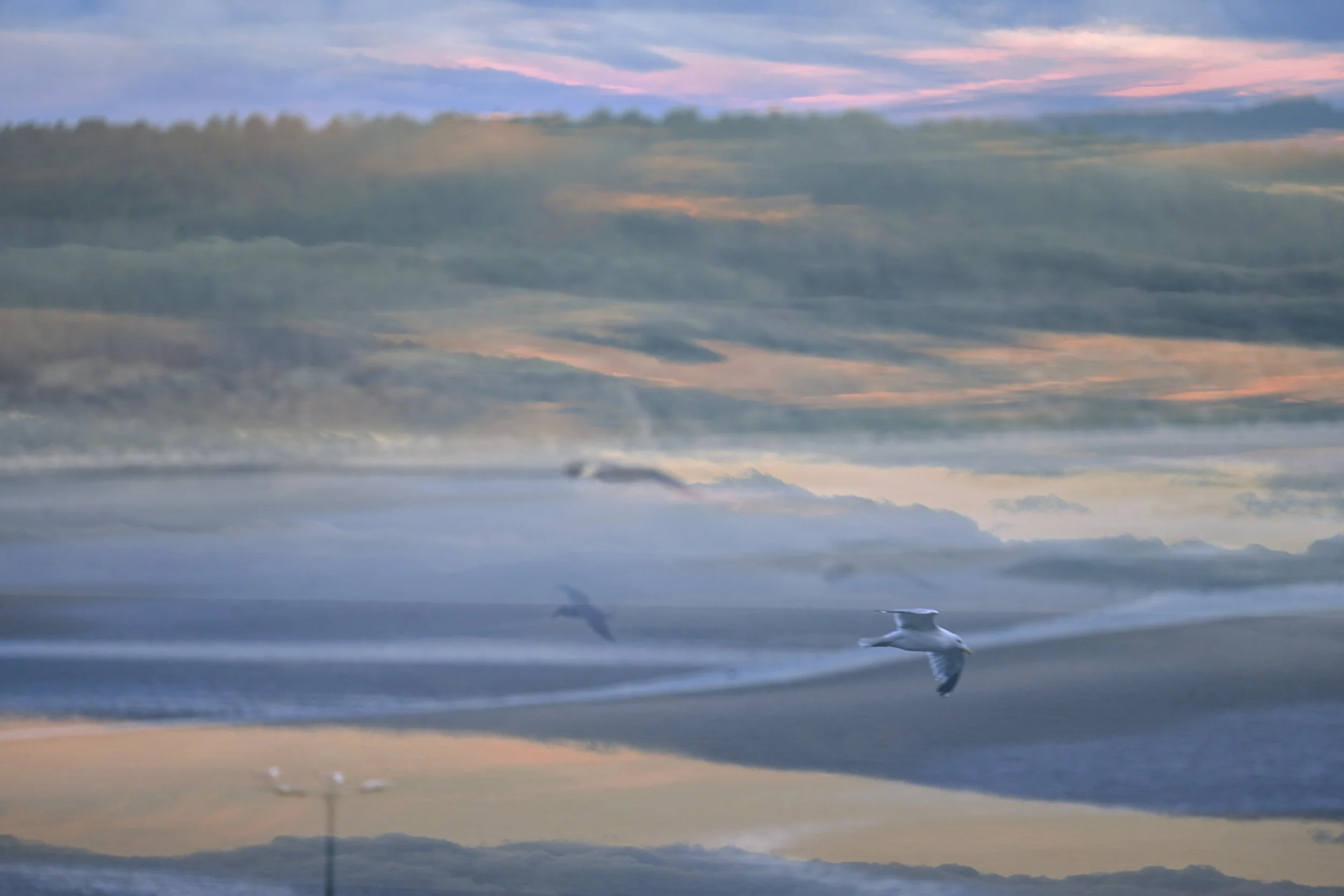
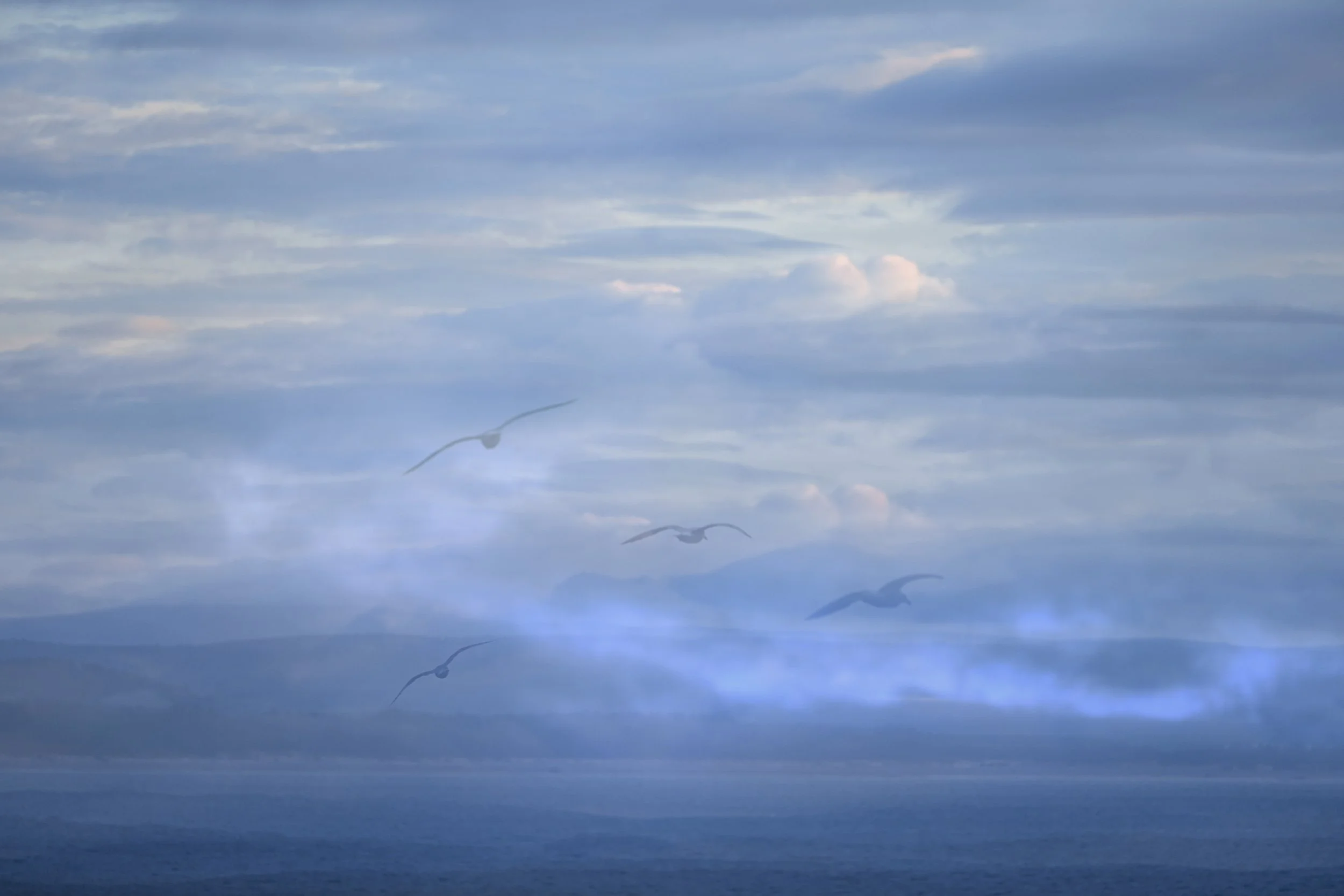
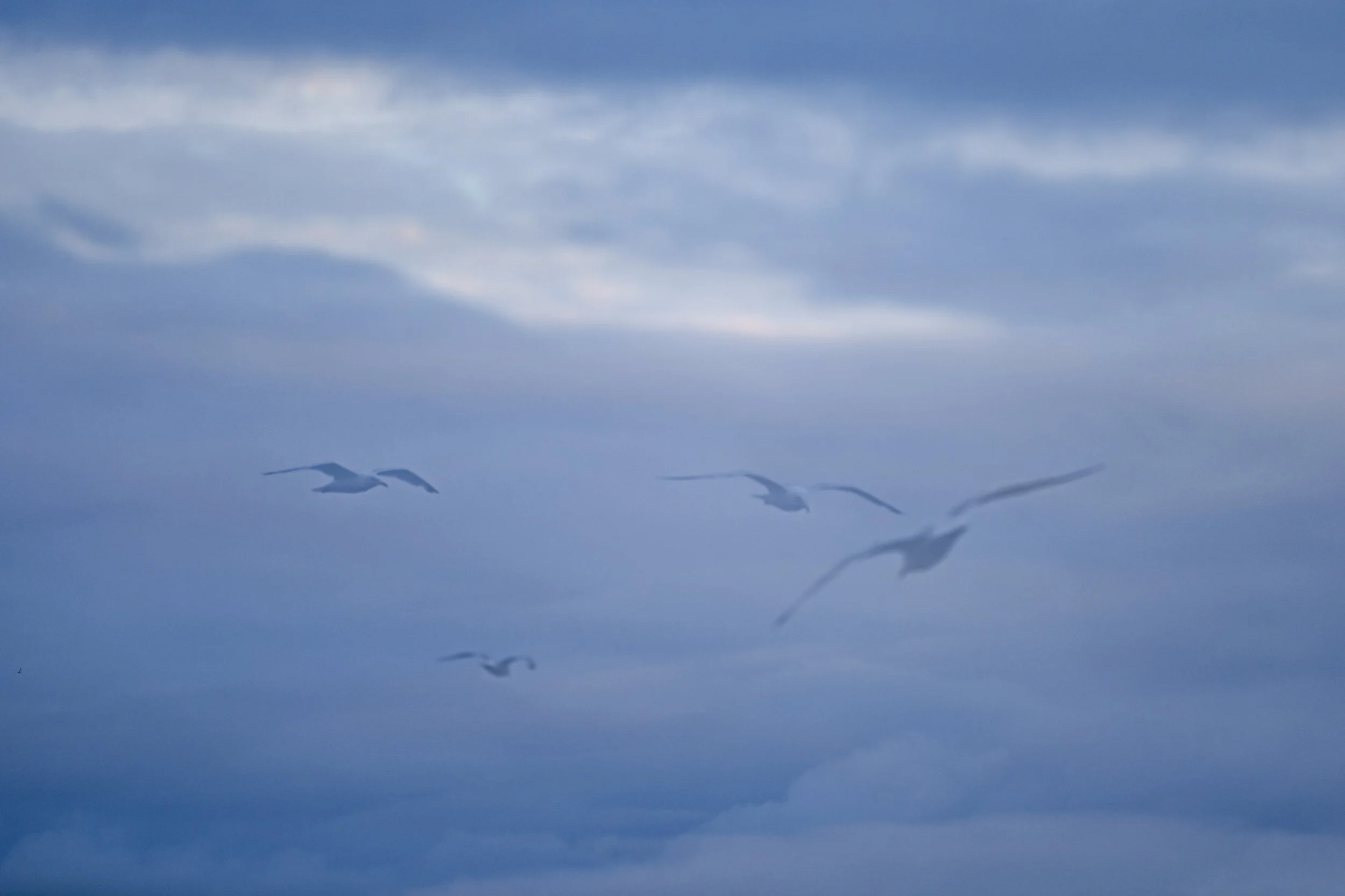
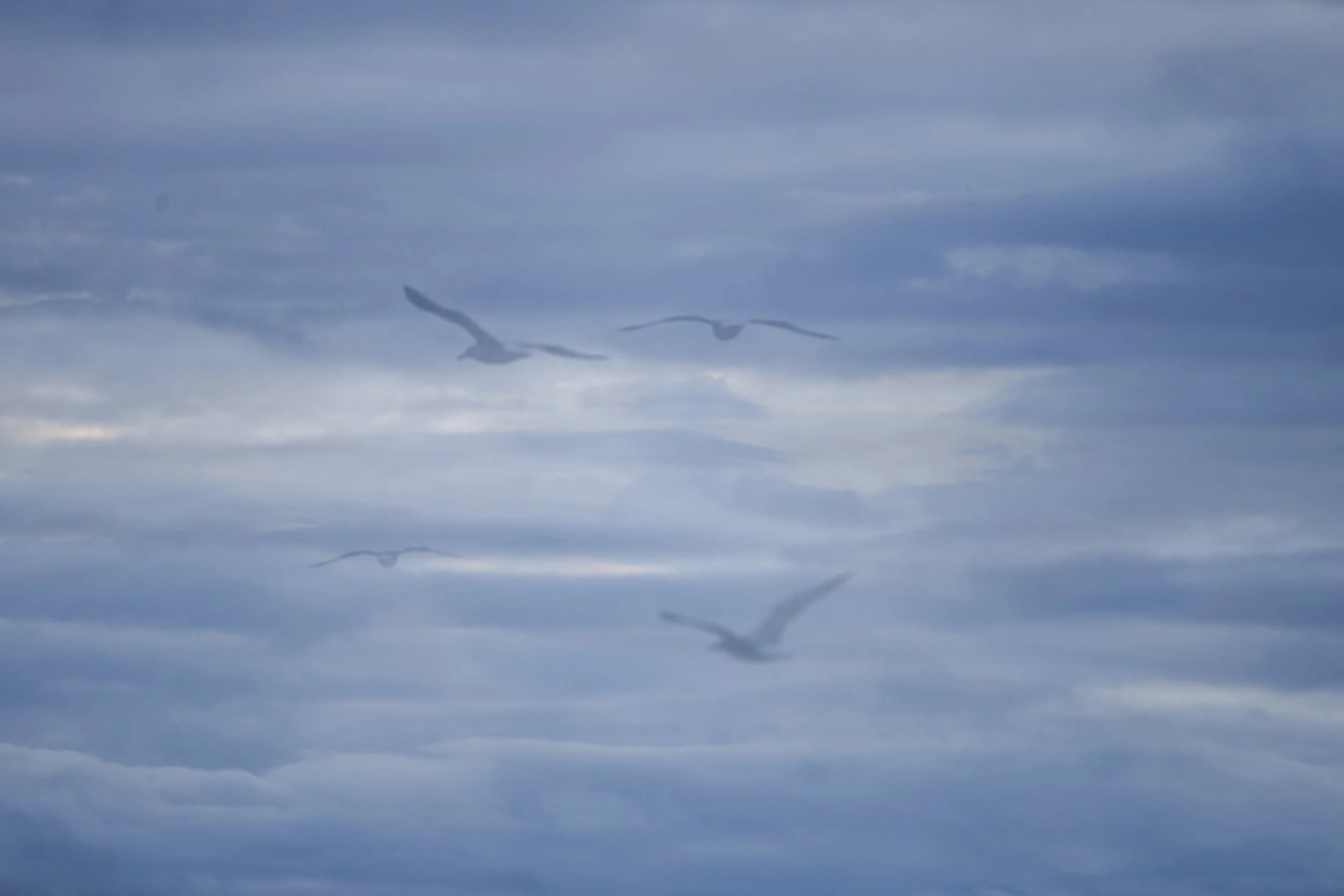
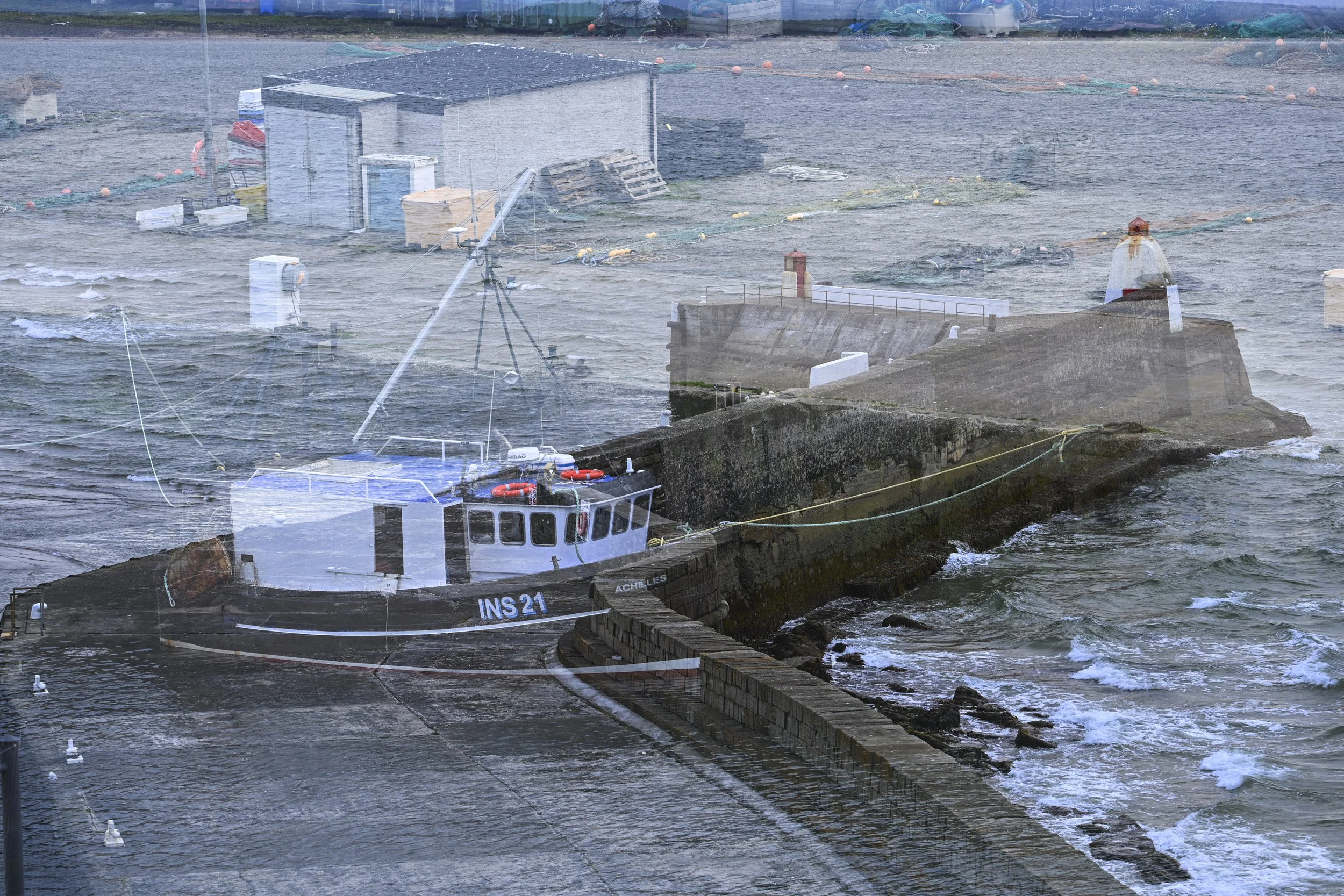
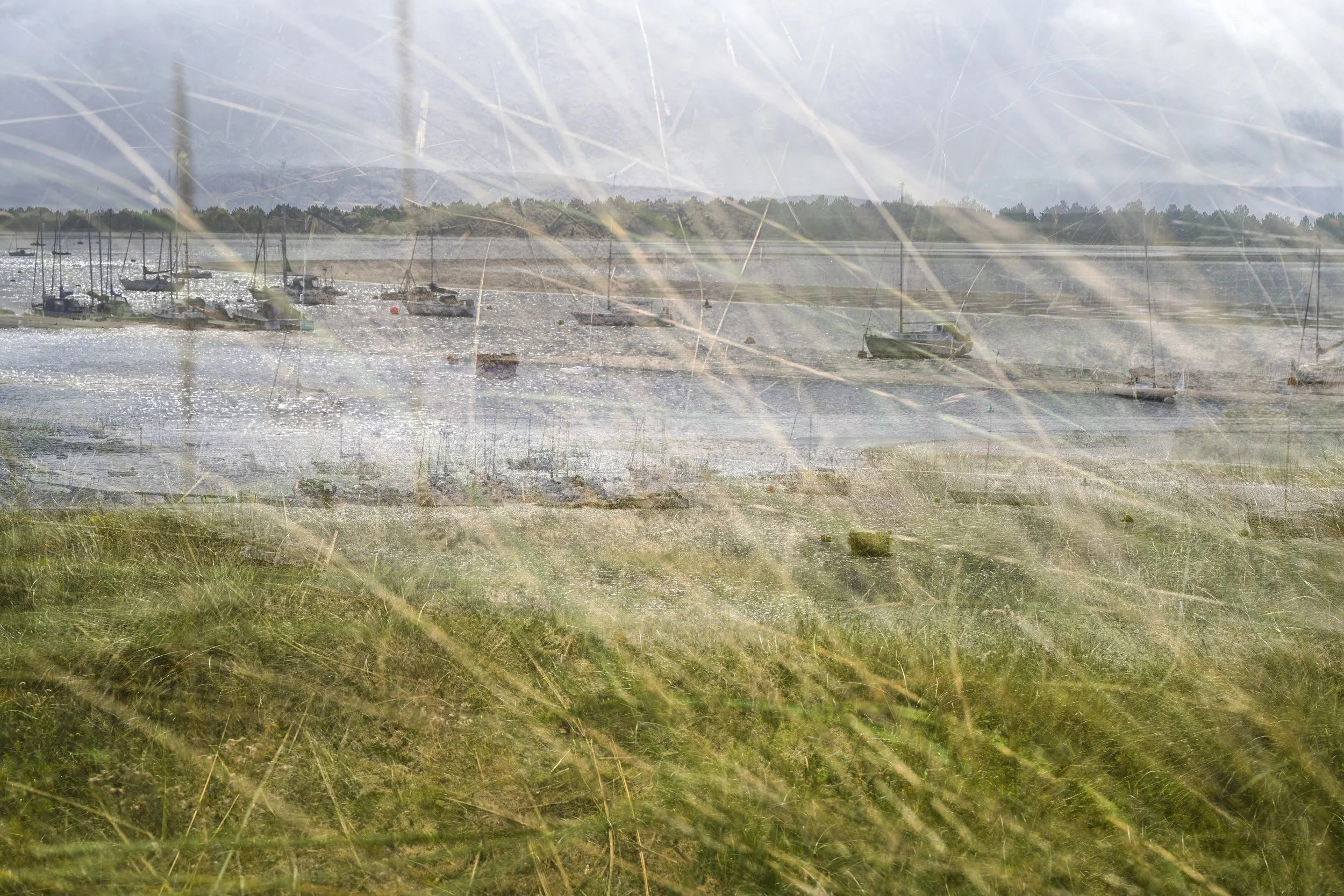
For my second trip, I returned to exactly the same location. This time, however, the conditions were completely different. It was cold, windy, and grey. My original plan had been to photograph the pier using long exposures to enhance the colours and make the most of the conditions. Unfortunately, I didn’t have my tripod or neutral density filters with me.
It would have been easy to decide that the conditions weren’t good enough and simply go home. Instead, I stopped for a few minutes, sat on the hill, and observed what was happening around me. Because the wind was so strong, movement was the first thing I noticed. The grasses were swaying, and before long, I became aware of a couple of gulls soaring above me. That sparked an idea.
I switched my camera to multiple-exposure mode and began photographing the gulls as they circled through the sky. The result was a series of images I called The Journey of the Gull. Creating these images lit up my heart. I was sitting in the freezing wind, surrounded by grey light, yet above me was this incredible world of beauty. By letting go of my original plan and using my imagination, I found a completely different way to experience the evening. It reminded me that creativity doesn’t always mean executing a carefully thought-out idea. Sometimes, it means responding to what’s in front of us and allowing ourselves to explore new possibilities.
We can become so attached to how we think something should look or feel that we miss what’s actually happening.
We might wait for perfect weather, perfect light, or the perfect opportunity before we allow ourselves to create. But what if we approached things differently? What if, instead of asking, “Why aren’t these conditions working for me?”, we asked, “What can I do with what I have?” That simple shift in perspective can open up so many possibilities. And this lesson extends far beyond photography. When life doesn’t unfold as planned, creativity can help us find another way forward. We may not be able to change our circumstances, but we can often change how we respond to them.
A little reminder: The next time things don’t go according to plan, pause before giving up. Look around, experiment, and let your imagination take the lead. You might discover something wonderful that you would otherwise have missed.
3. You Don’t Need Lots of Time
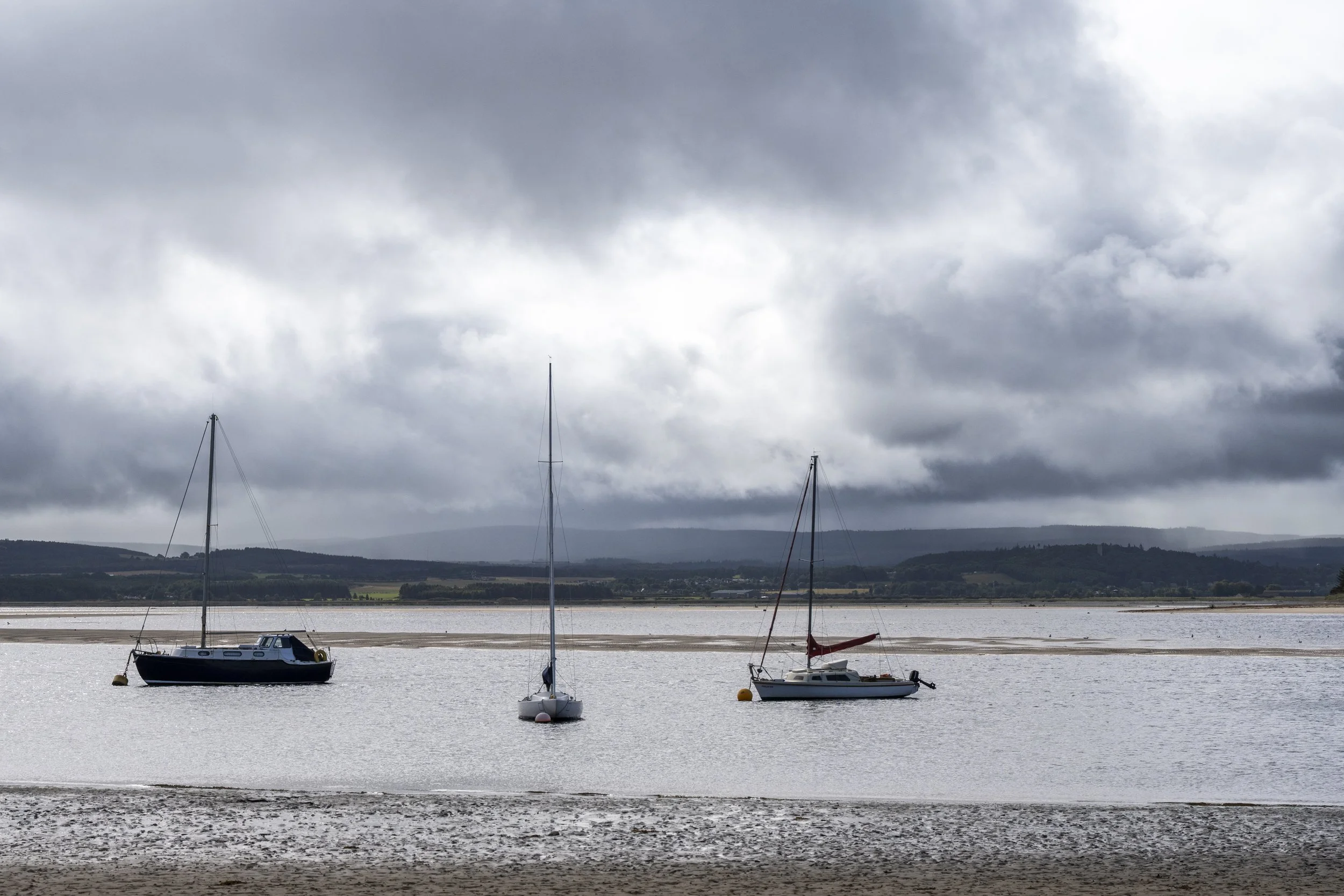
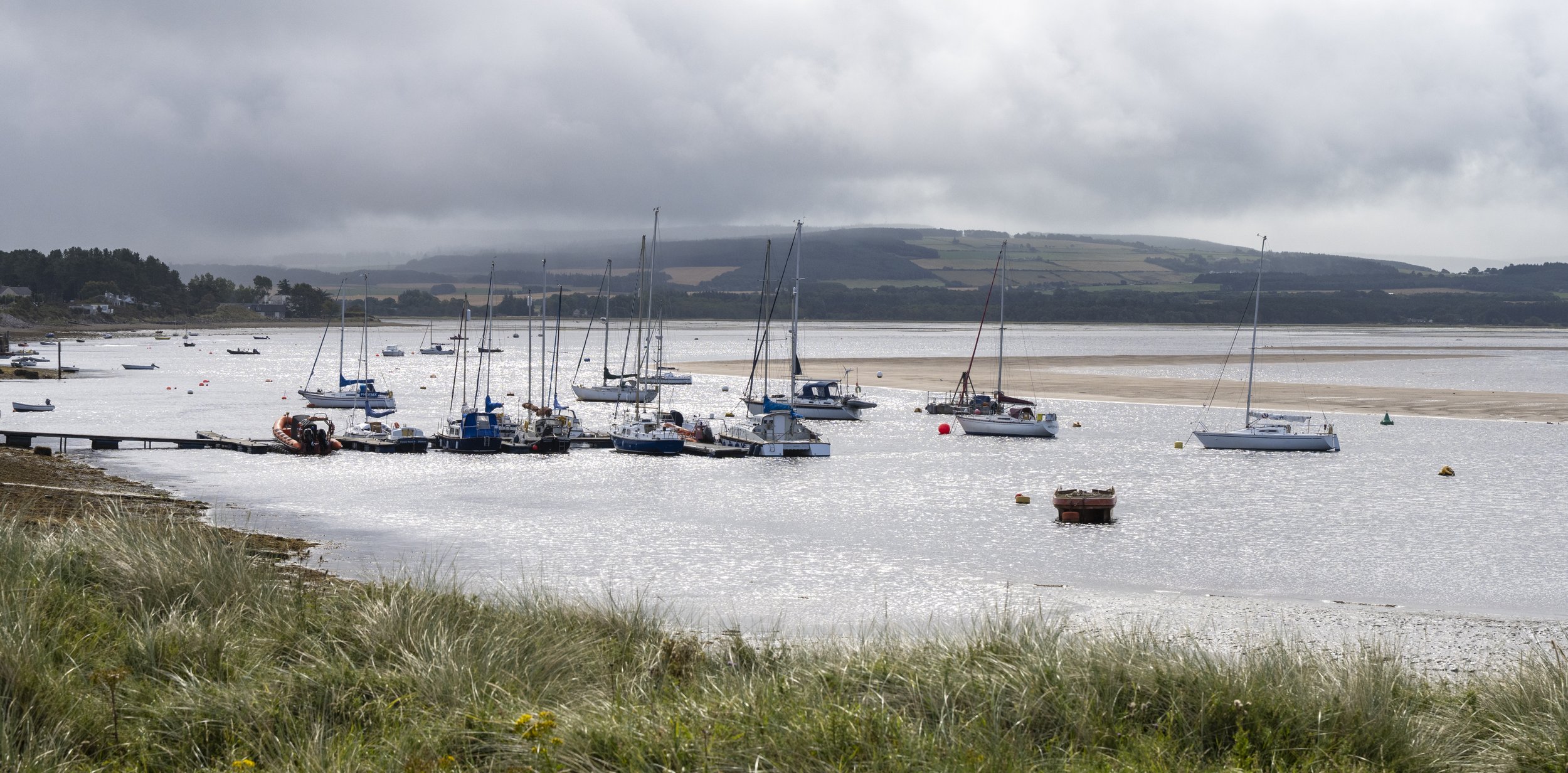
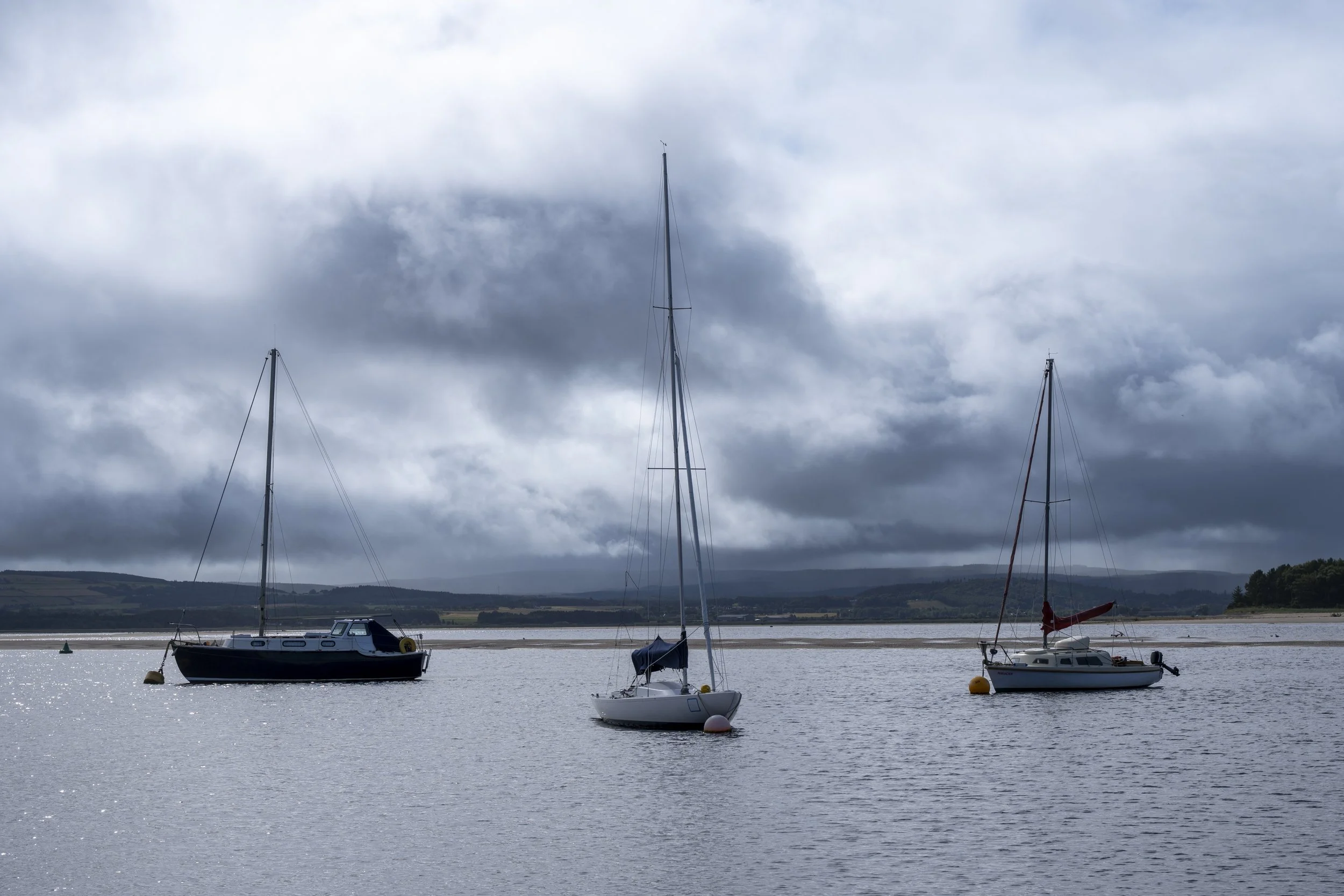
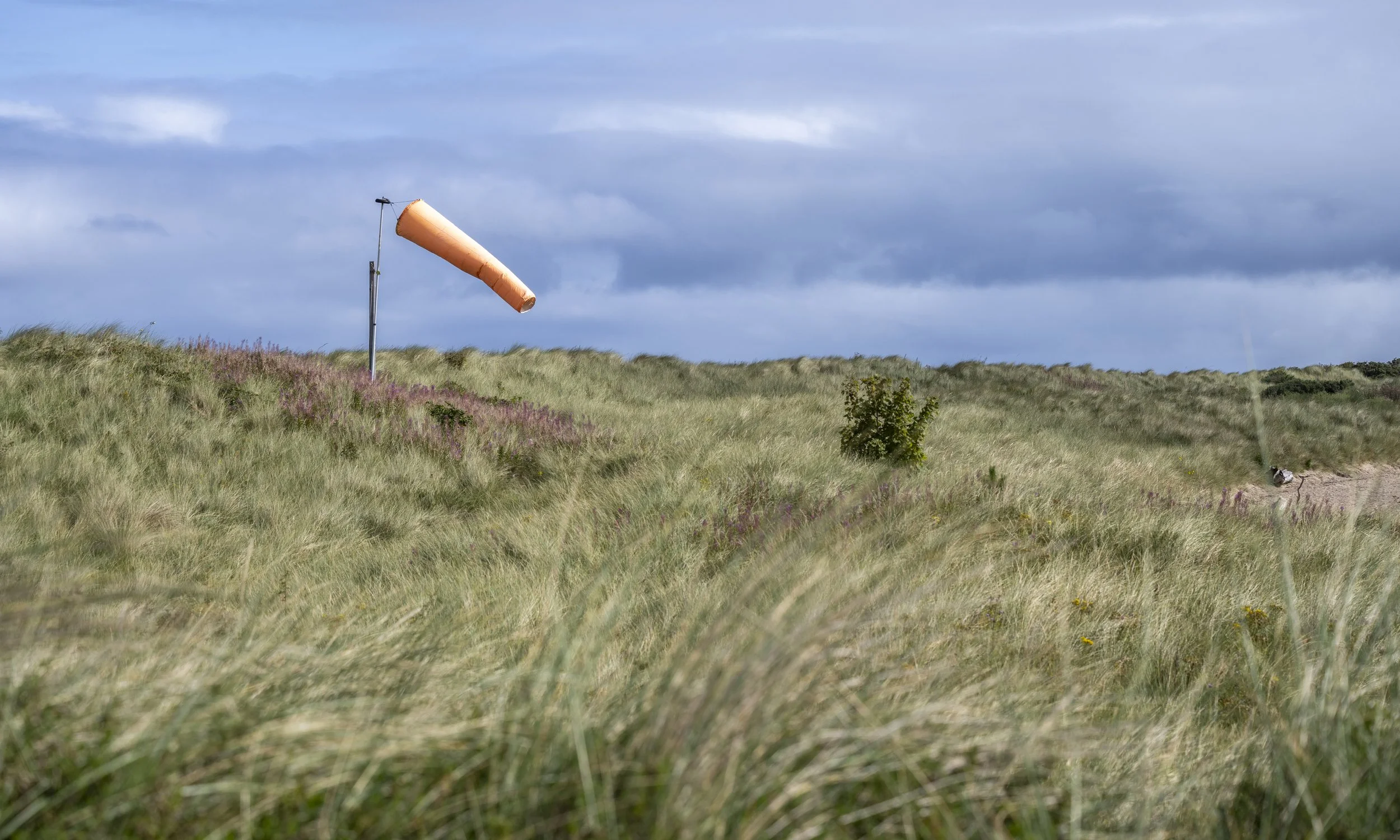
One of the most common things we say in modern life is, “I don’t have enough time.” And often, the things we say this about are the very things we genuinely love and want to do. Of course, life comes with responsibilities. We have work, family commitments, children, and other people who need us. There are seasons when our time and energy are stretched, and it isn’t always possible to do everything we’d like. But it’s worth asking ourselves what happens when the things that bring us joy are continually pushed to the bottom of the list. If we never make time for the activities that nourish us, how can we expect to feel fully present and energised in the other areas of our lives?
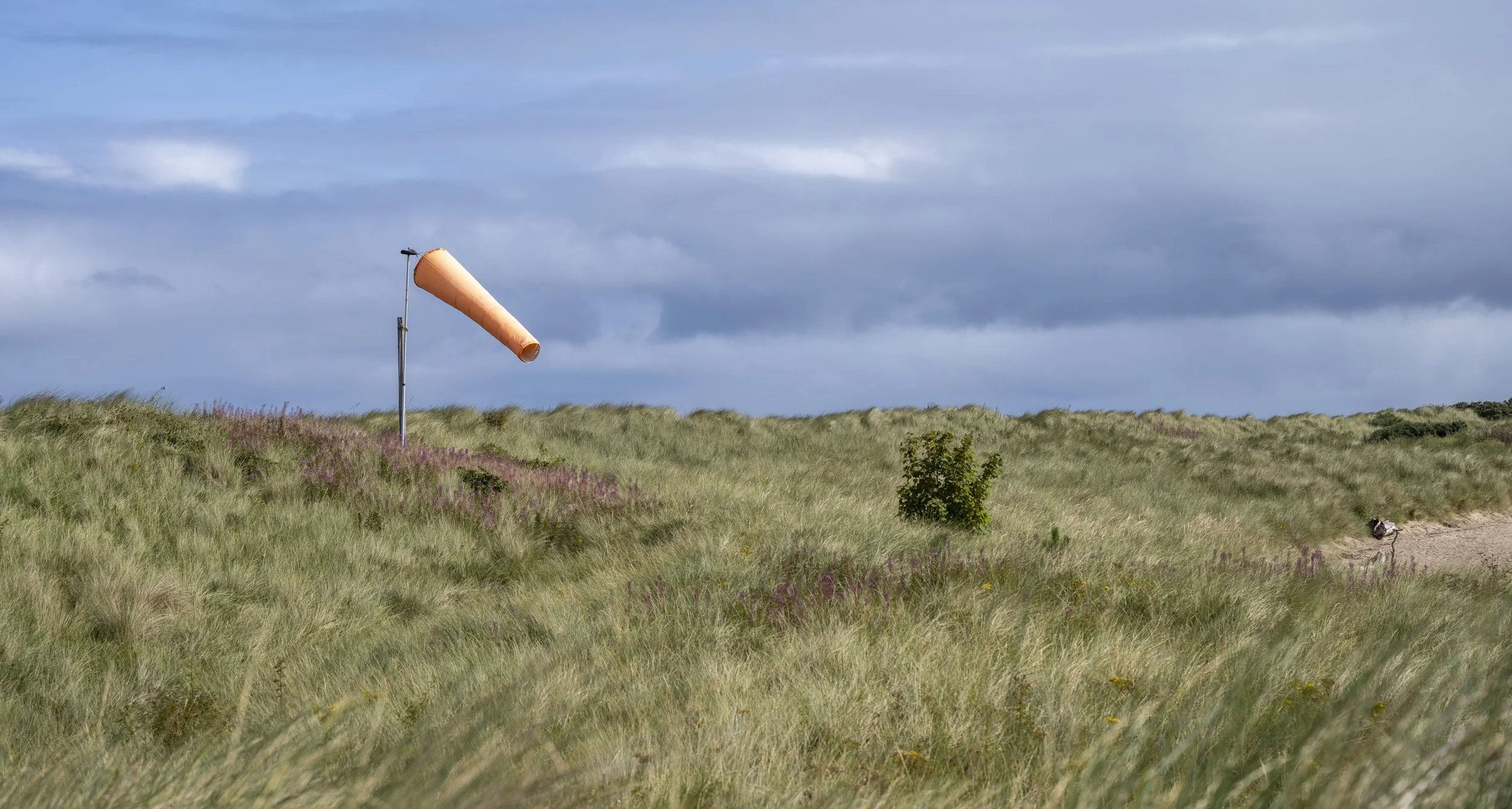
This really struck me during my third trip to the coast. That day, I was filming a video for the Photographic Connections community and had somewhere else to be shortly afterwards. I had just 20 minutes between commitments to spend photographing the coastline. Twenty minutes. I didn’t have hours to wander, experiment, or wait for the perfect light. I simply had a small window of time, and I decided to make the most of it. I immersed myself in the elements, admired the beautiful clouds, and photographed boats and a windsock within the landscape. The conditions reminded me how much I appreciate living in Scotland, where the weather and light are constantly changing.
I may not have created my strongest images that day, but that wasn’t the point. I thoroughly enjoyed those 20 minutes. I felt more creative, more connected to my surroundings, and grateful that I’d made the time to do something I love. It made me realise that we don’t always need a whole afternoon, a free weekend, or a perfectly planned trip to enjoy our passions. Sometimes, 20 minutes is enough.
We can spend so much time waiting until we have the time to do something properly that we end up not doing it at all. We convince ourselves that a short amount of time isn’t worthwhile, so we put it off until a day that may never arrive. But small moments matter, too. A short walk, a few minutes with a camera, time spent drawing, or simply sitting outside and noticing the world can make a meaningful difference to how we feel.
When we make space for the things that bring us joy, we often have more energy to give to the people and responsibilities that matter to us.
A little reminder: Think about something you love doing but have been putting off because you feel you don’t have enough time. Could you give it just 10 or 20 minutes this week? You don’t need to do everything. You just need to begin.
4. Not Every Moment Needs to Become an Image
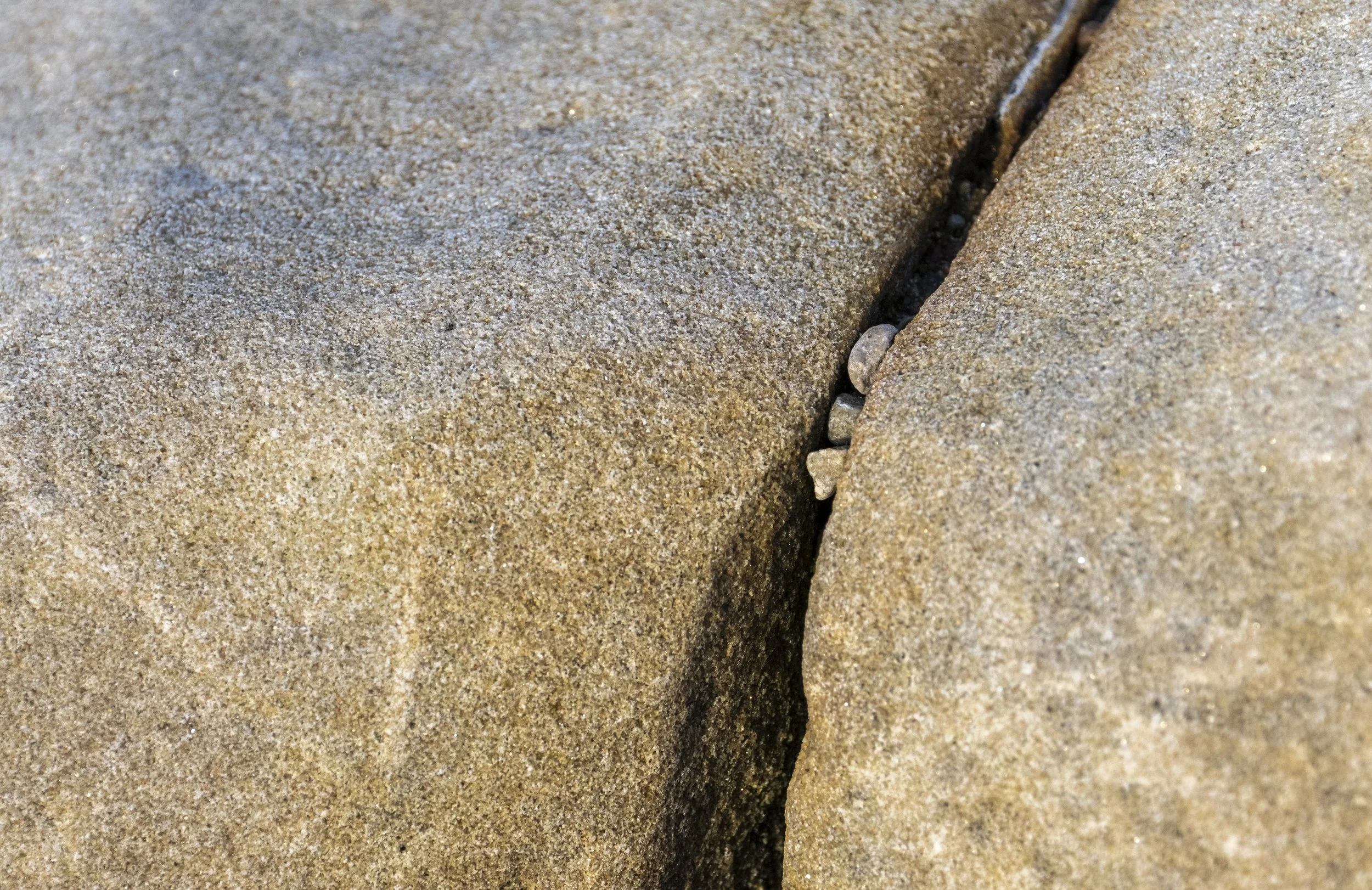
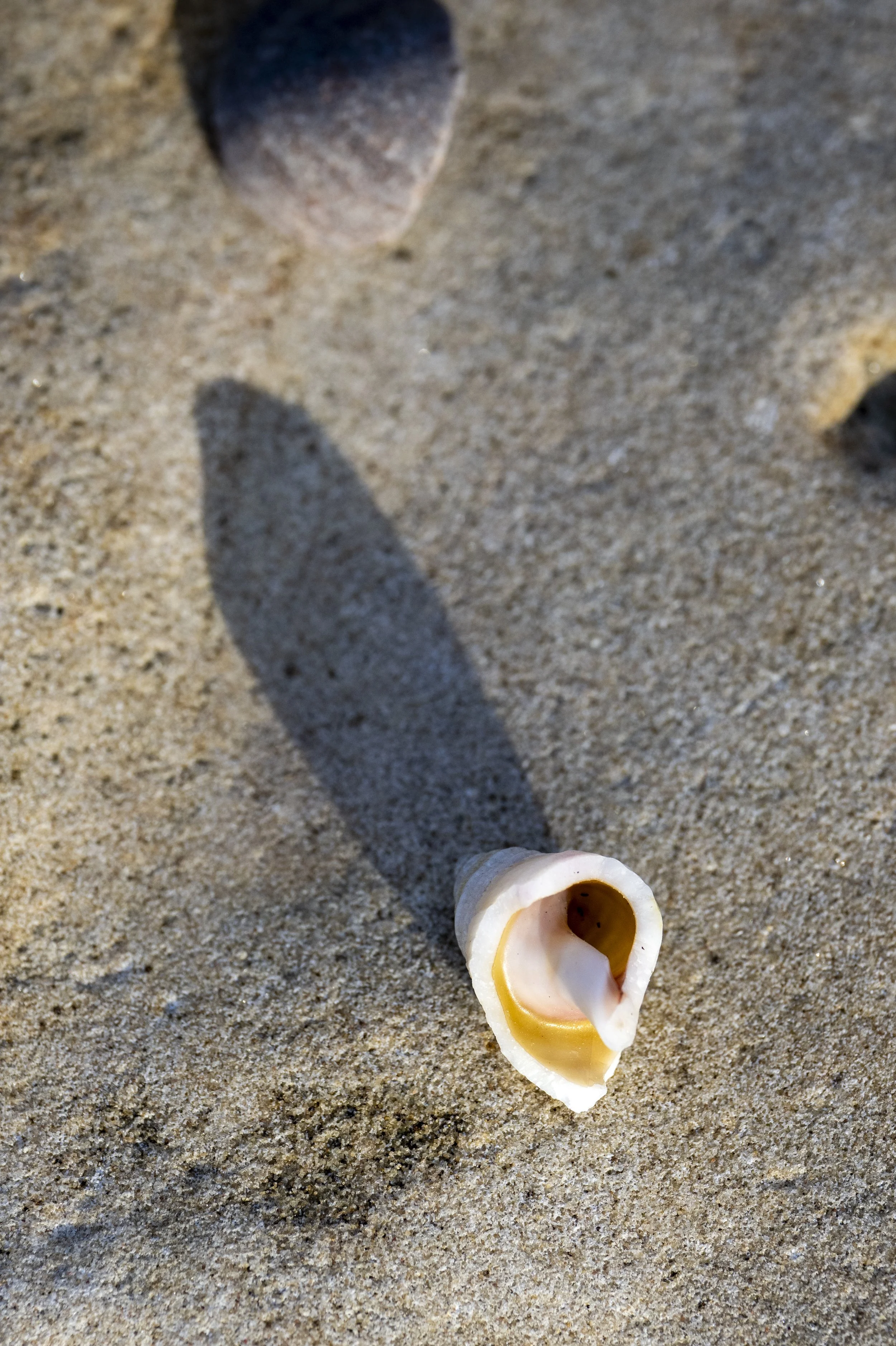
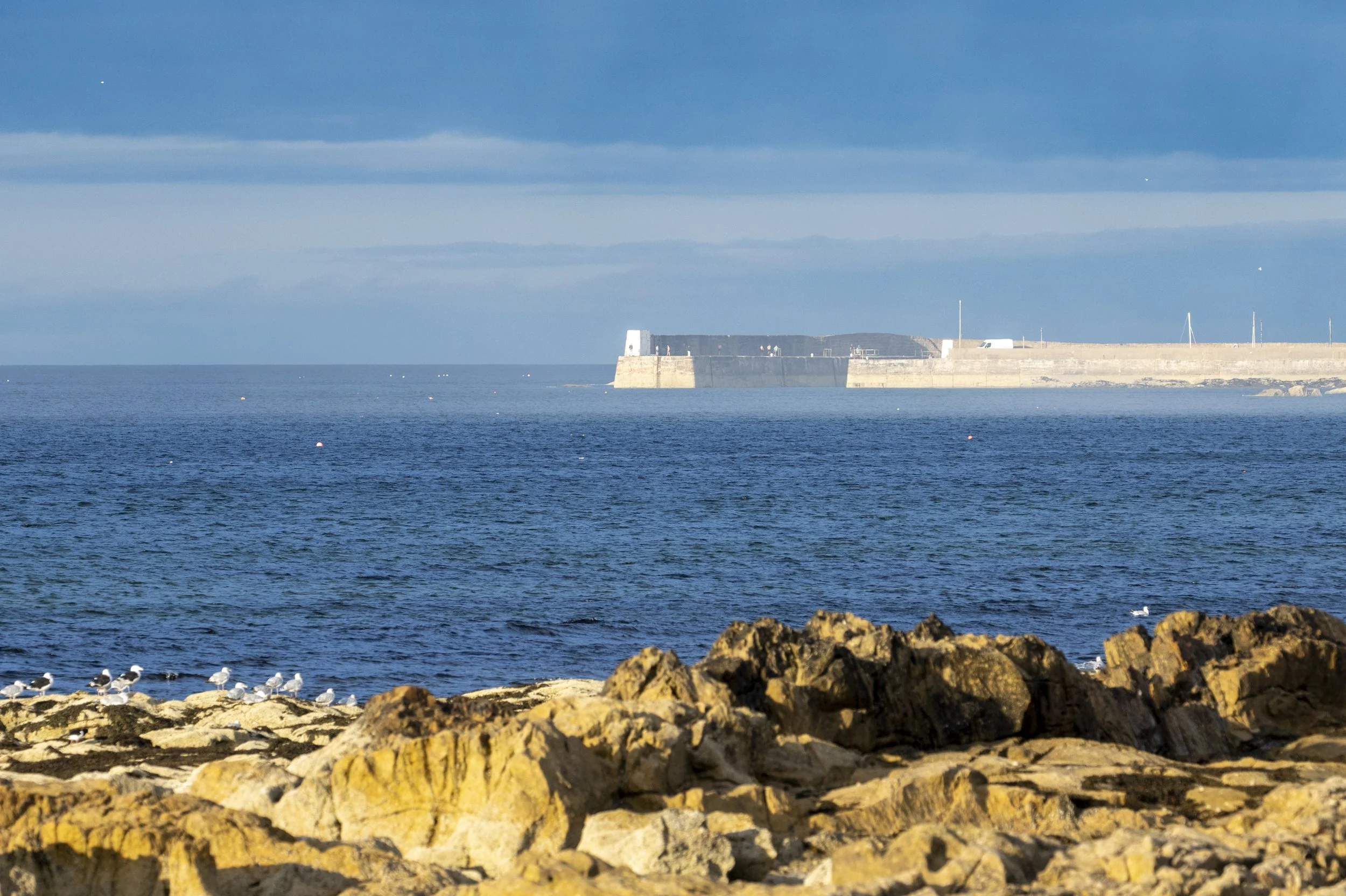
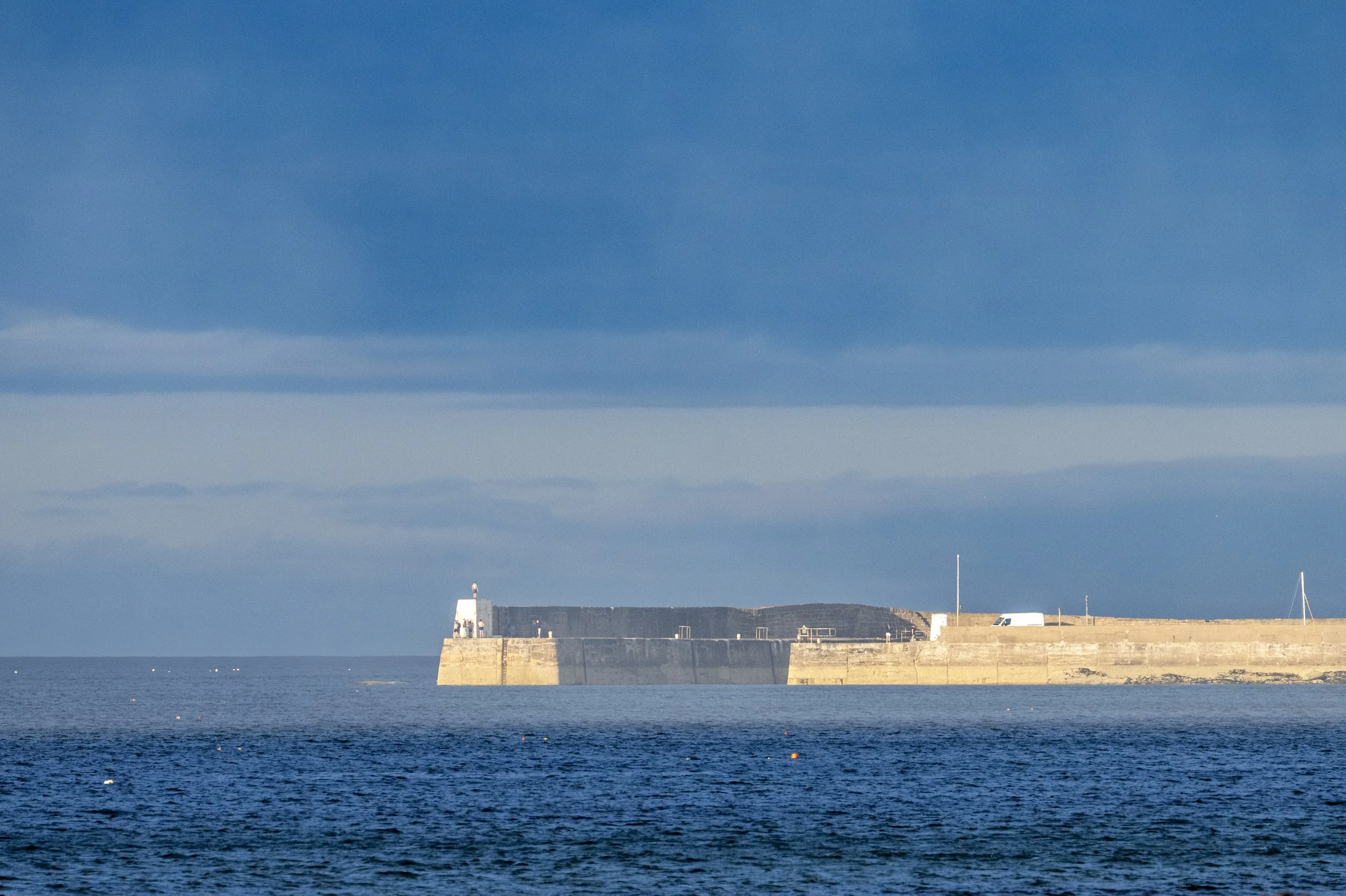
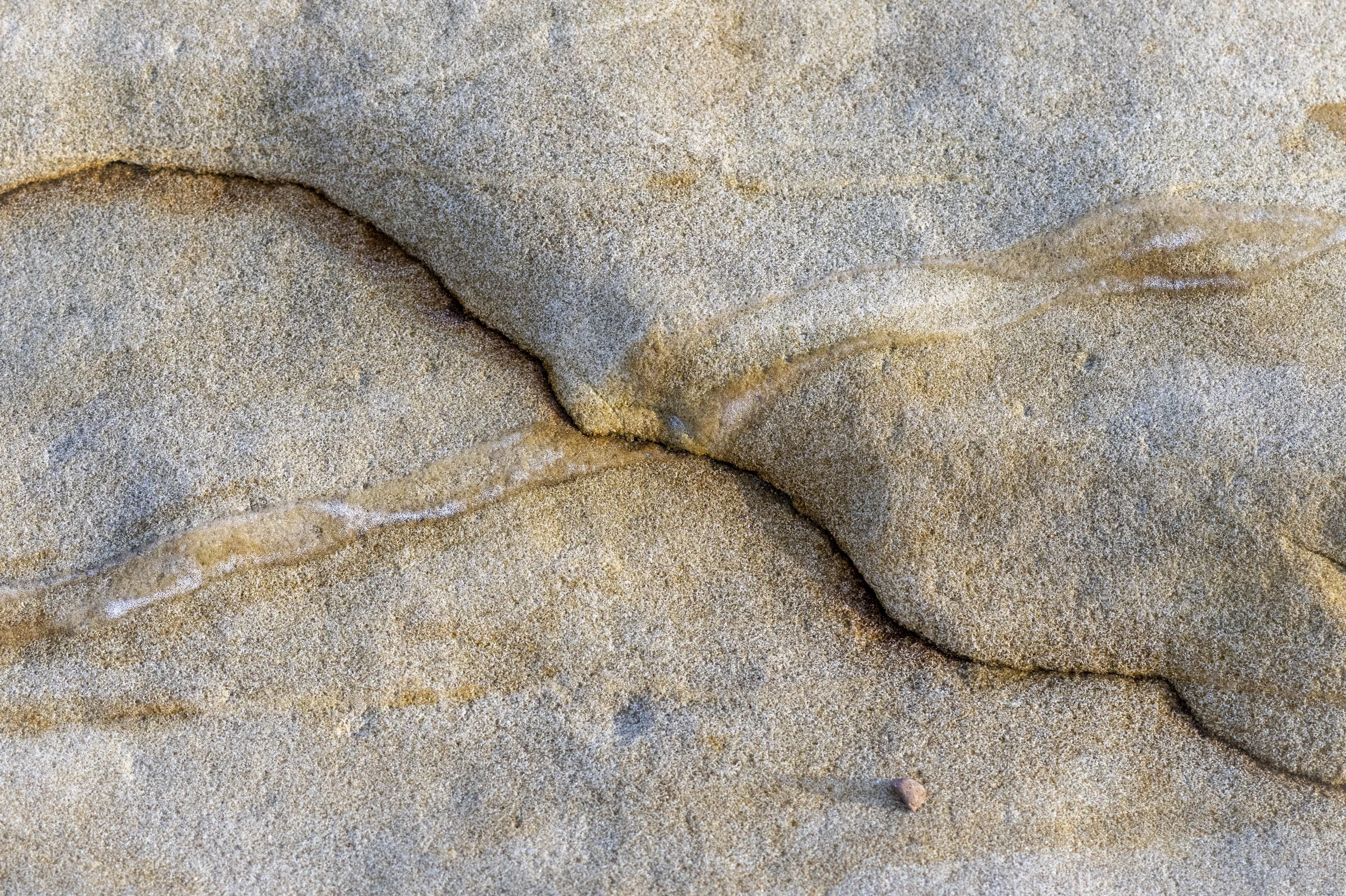
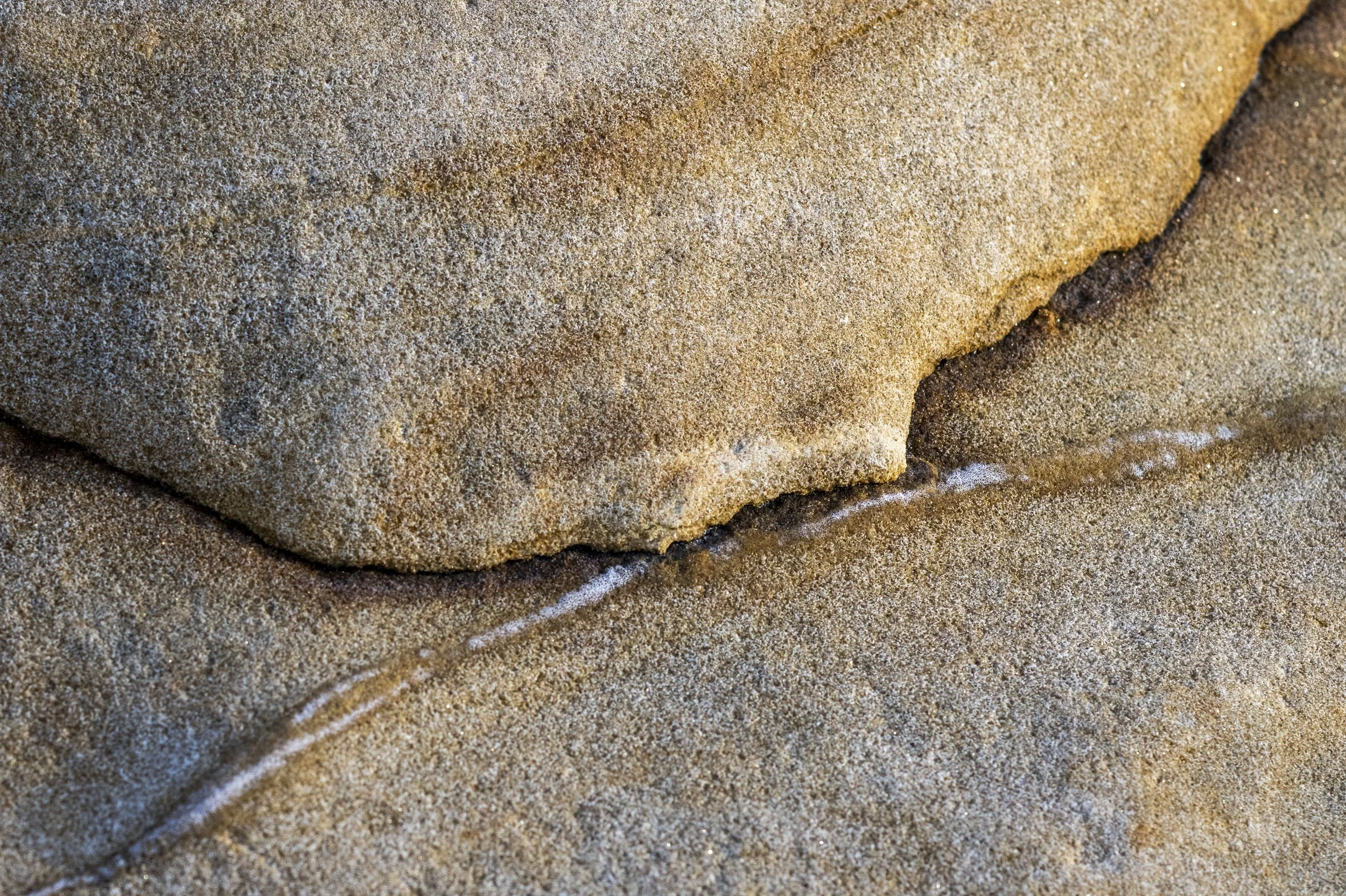
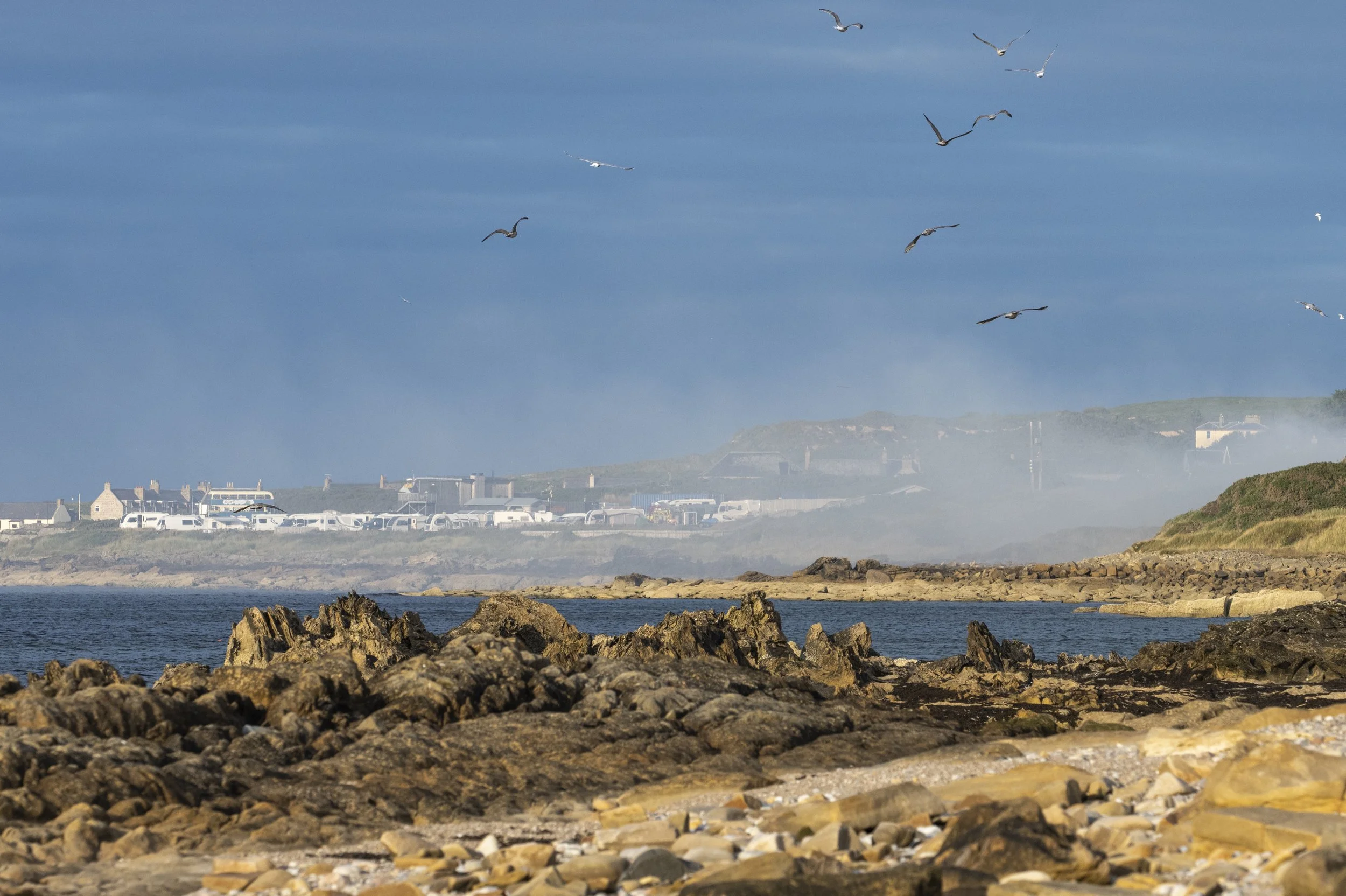
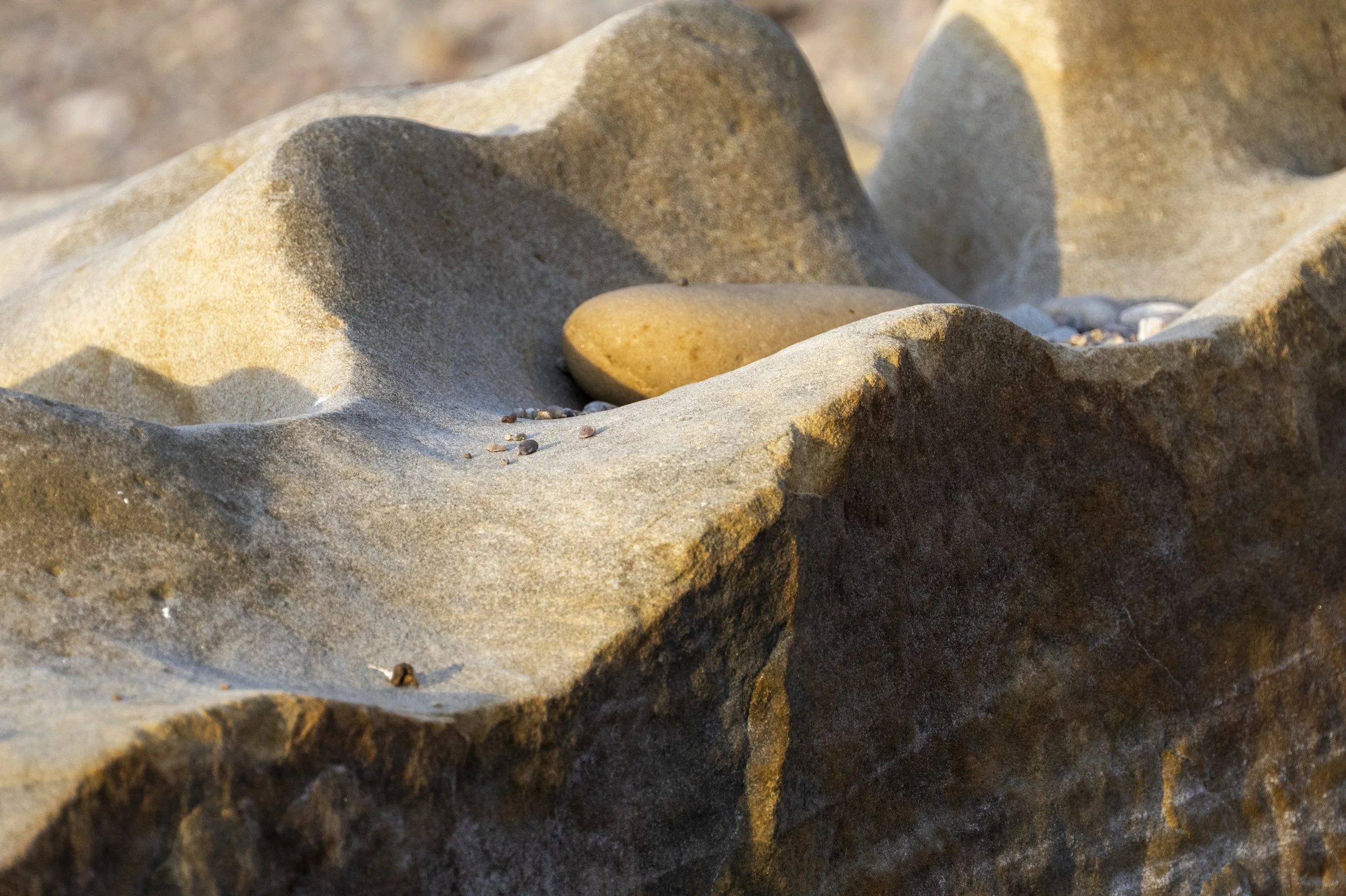
During my fourth trip, I spent time photographing the rocks along the coastline. There was a wildfire that evening, so I photographed the smoke drifting over the sea and created some beautiful abstract images of the rocks. But one of the most memorable moments of the trip was when I stopped taking photographs altogether.
I found myself standing on some incredibly ancient rocks. They were stunning, with fascinating shapes, crevices, and pools formed over immense stretches of time. The evening sunlight illuminated the landscape, and as I stood there, I felt as though I’d been transported back in time. These rocks had existed for thousands, perhaps millions, of years. I found myself thinking about the history of this coastline and the fact that I was standing on the very same landscape that had existed long before I was born. It was a thought that completely captivated me.
The rocks would have made wonderful photographs, but in that moment, I didn’t feel the need to capture them. I simply wanted to stand there and take everything in. It was a beautiful experience, and I’m glad I allowed myself to have it without feeling compelled to turn it into an image.
When we go out with our cameras, it can be easy to feel that we should photograph everything we see. We notice something beautiful, instinctively raise the camera, and start thinking about composition, exposure, and how to capture the scene. There’s nothing wrong with that. Photography allows us to explore the world more closely and express how we experience it. But sometimes, the desire to create an image can distract us from the experience itself.
Nature isn’t simply a collection of potential photographs. It’s something we’re part of. When we spend time outdoors, we have the opportunity to connect with the landscape, observe the world around us, and receive whatever the experience has to offer. If we spend every moment looking through the viewfinder, we might miss the chance to feel truly present. We might overlook the sensation of the wind on our skin, the warmth of the evening sun, or the sense of peace that comes from standing somewhere that has existed for millions of years.
Some experiences don’t need to be documented to be meaningful. Sometimes, the most valuable thing we can do is put the camera down and allow ourselves to simply be there.
A little reminder: The next time you’re somewhere beautiful, pause before reaching for your camera. Take a few moments to notice the light, feel the wind, listen to the sounds, and observe how the landscape makes you feel. You can always take photographs afterwards. Give yourself the opportunity to experience the moment first.
5. Don’t Let Equipment Distract You from the Beauty
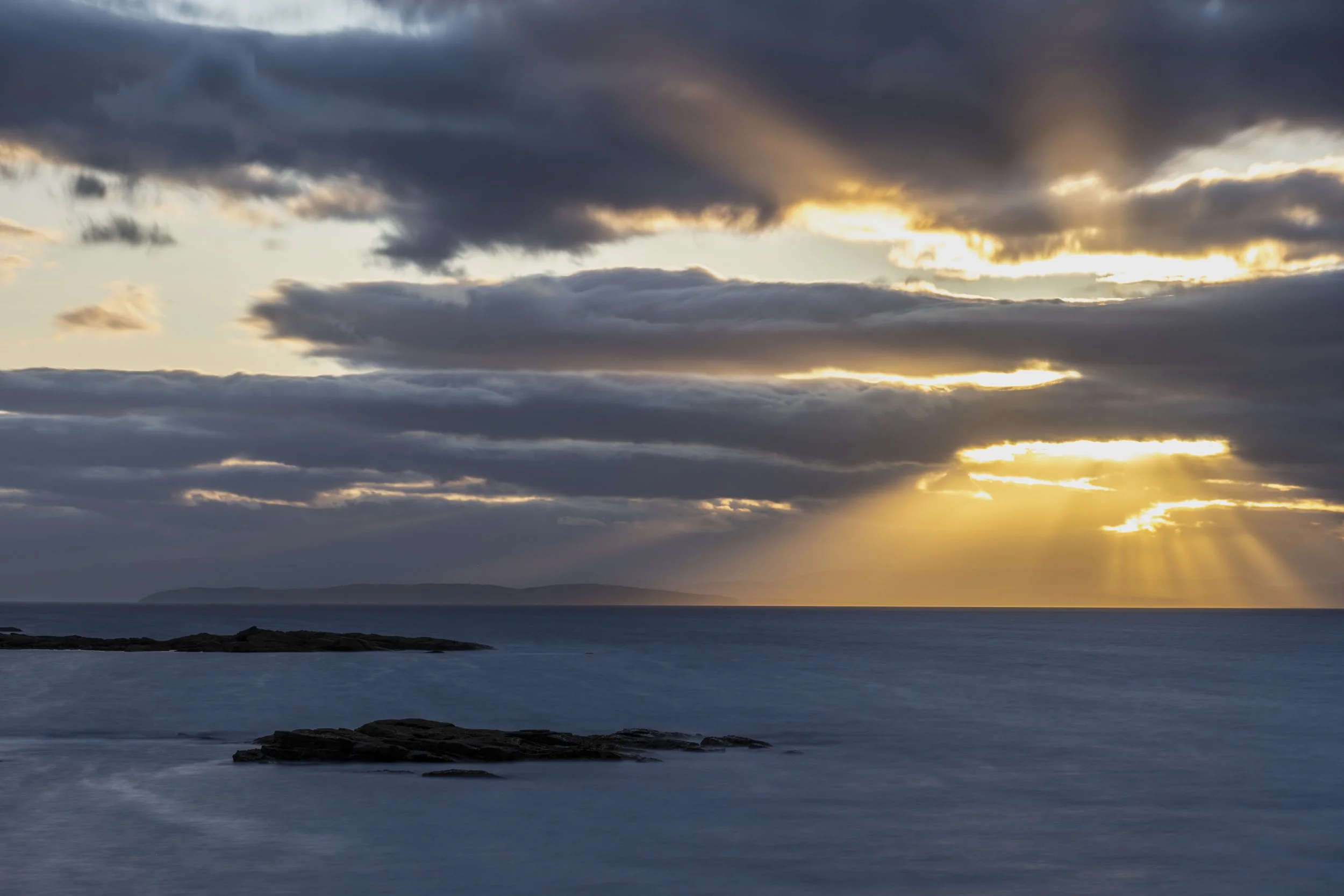
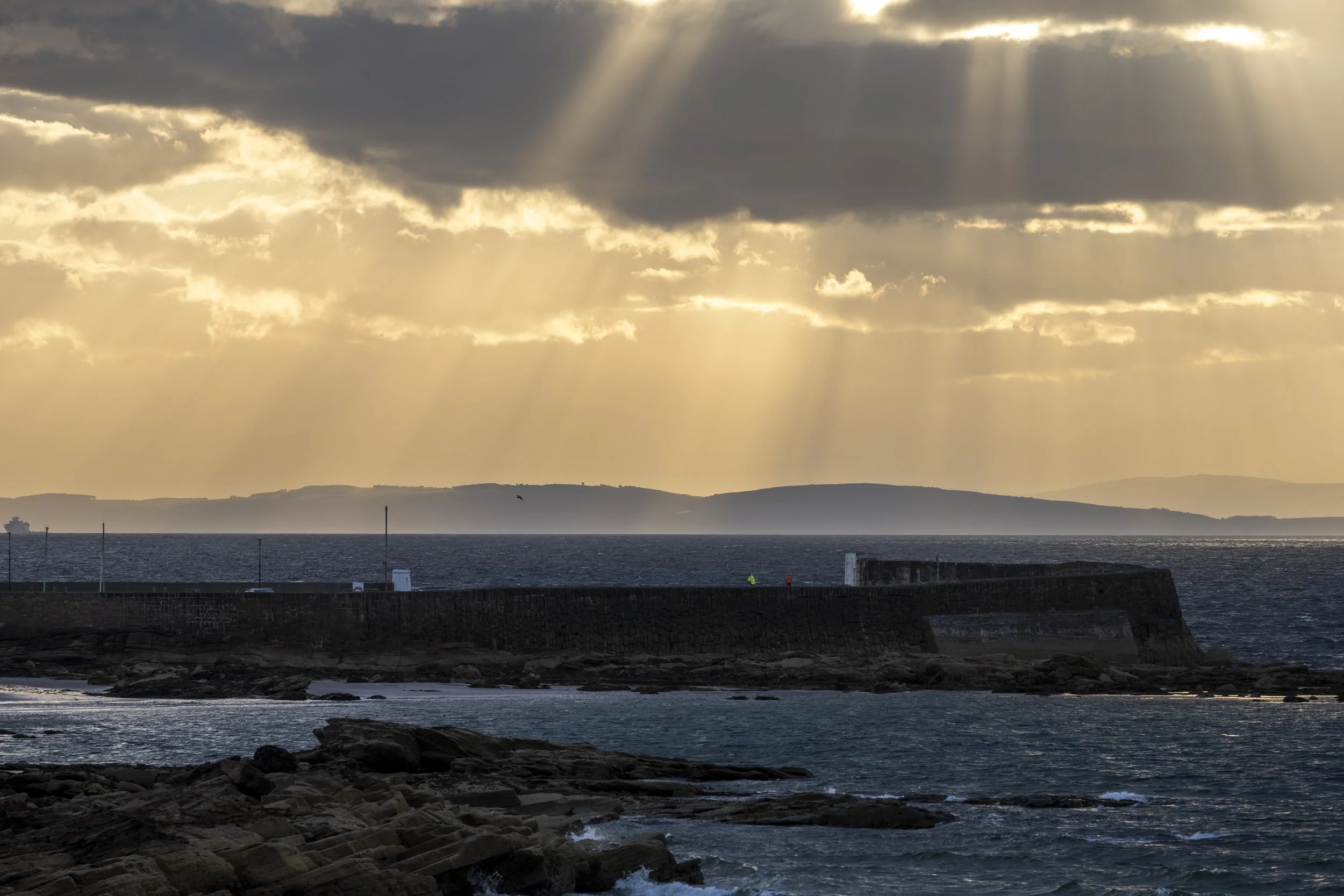
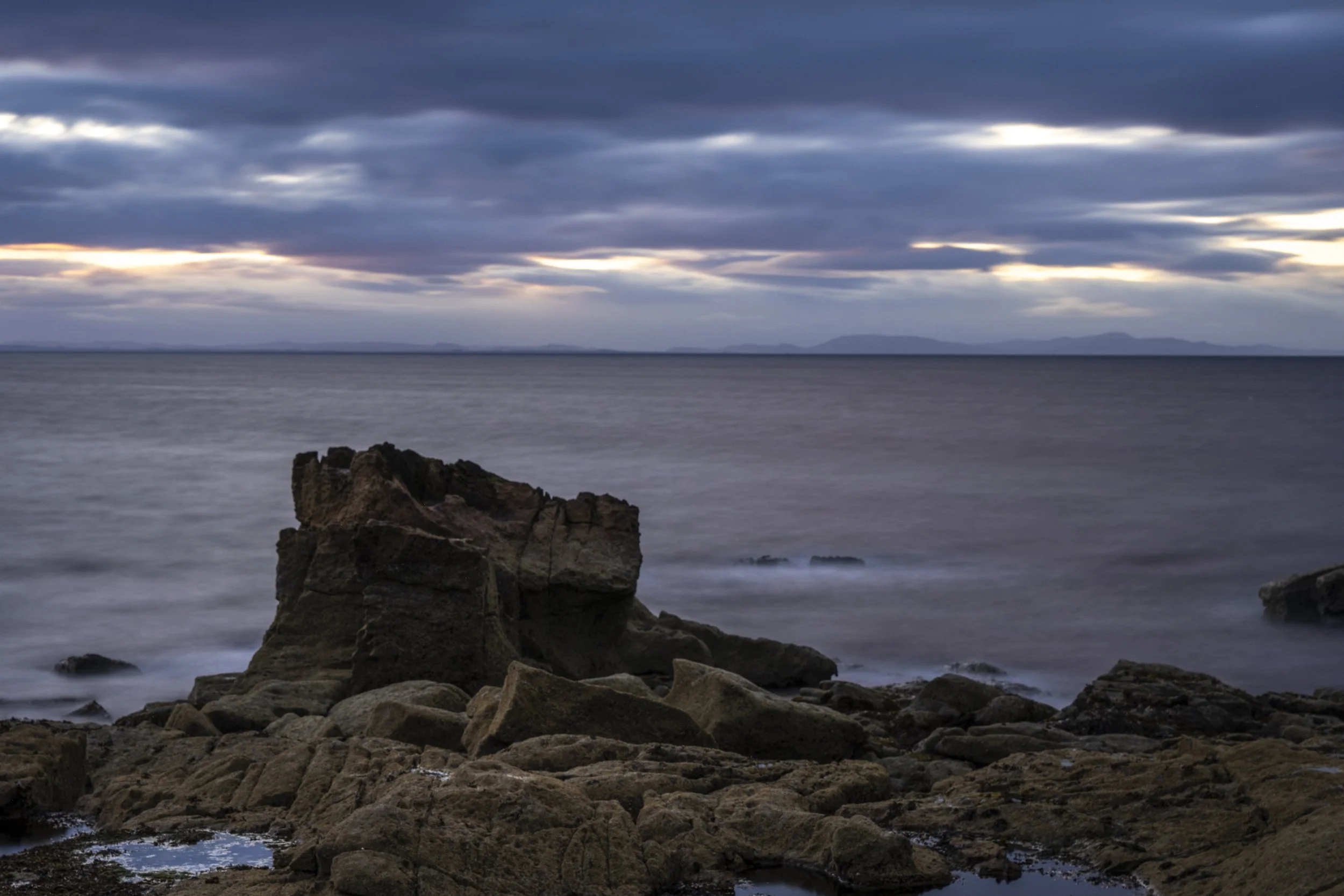
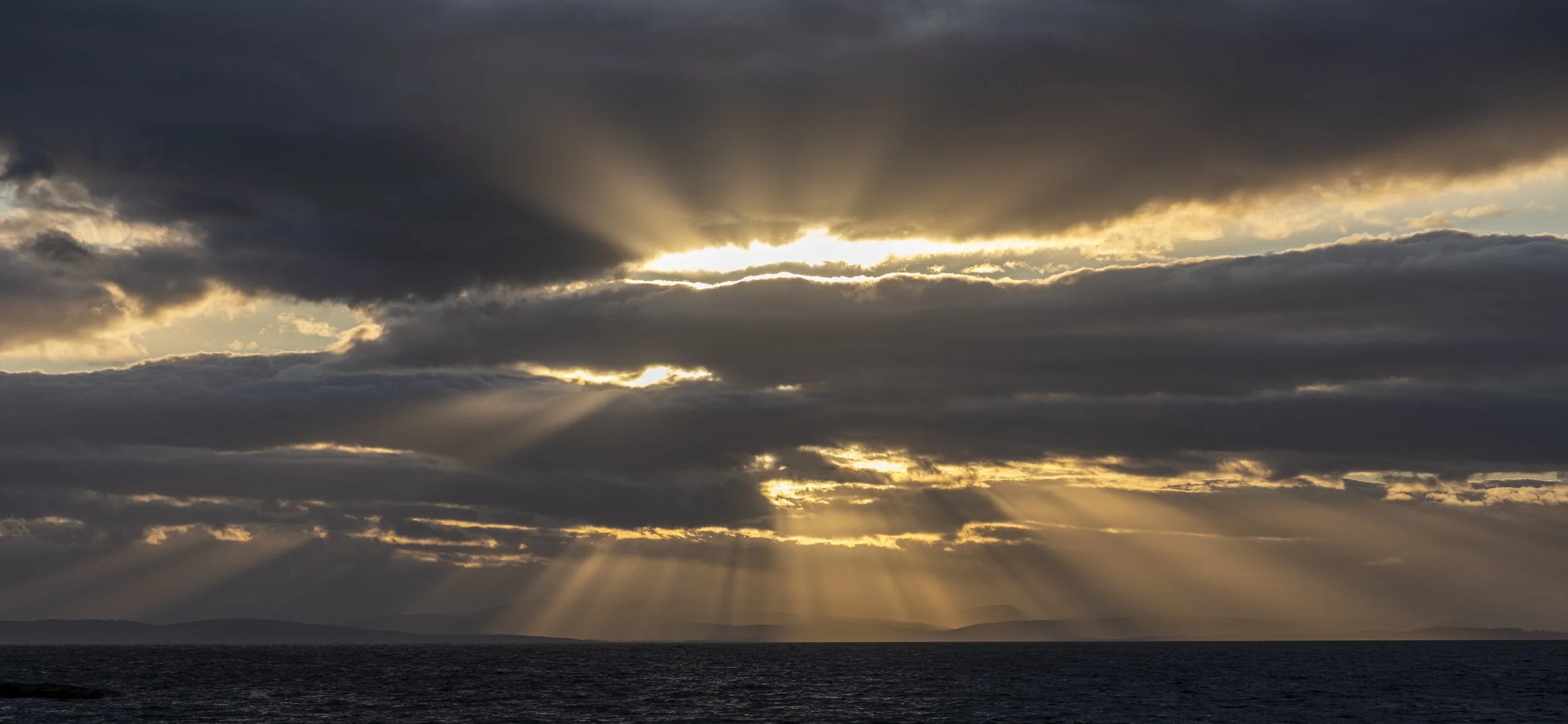
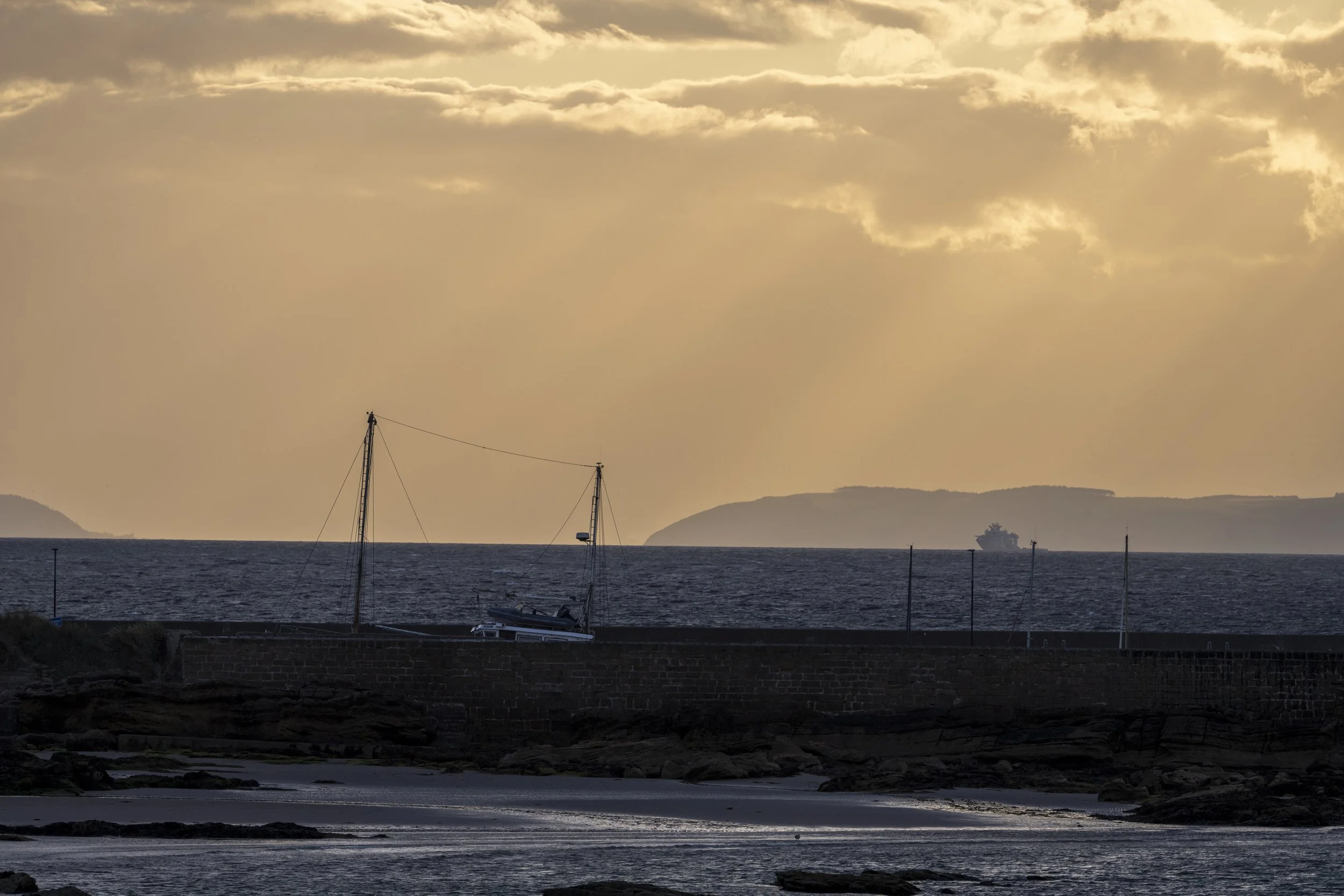
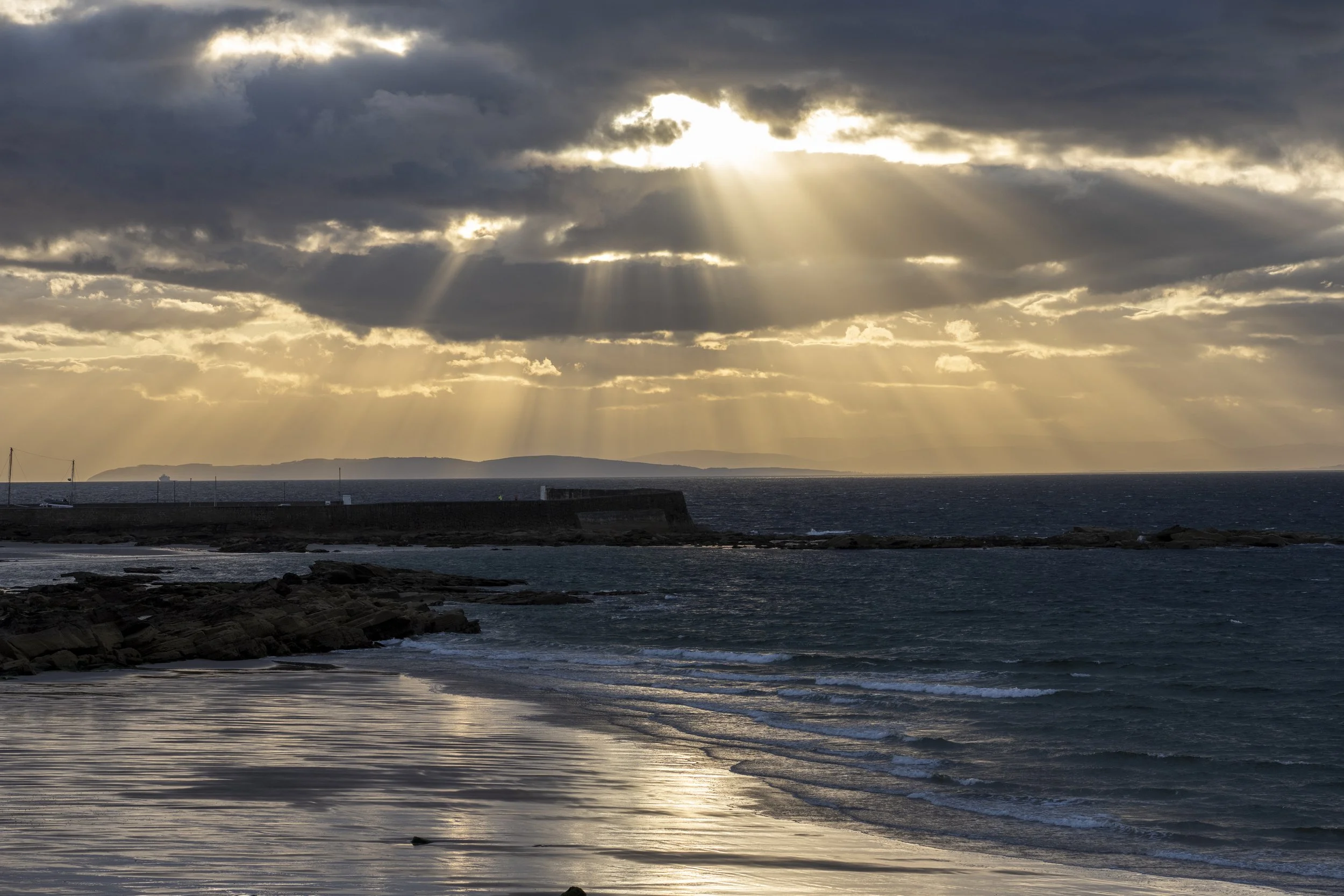
When we go out with our cameras, we have an opportunity to switch off from the distractions of everyday life. Yet sometimes, we end up creating distractions of our own. During my fifth trip to the coast, I took quite a lot of equipment with me: one camera, two lenses, a tripod, and filters.
For me, at this stage of my photography journey, that was a lot of gear to manage. I spent so much of the evening changing lenses, adjusting filters, and moving my tripod up and down that I lost my connection to the landscape around me. There was so much beauty unfolding, but I was too busy managing my equipment to fully experience it.
By the end of the outing, I felt disappointed. Not because I hadn't created the images I wanted, but because I realised how much of the experience I had missed. It was a big revelation. Sometimes, as photographers, we believe that acquiring more equipment will make our photography better and our outings more enjoyable. We invest in new lenses, filters, tripods, and accessories, hoping they'll help us create something special. And equipment certainly has its place. The right tools can open up creative possibilities and help us achieve things that wouldn't otherwise be possible. But more equipment doesn't automatically lead to a better experience.
Over the years, some of my favourite photographic outings have been the simplest ones: going out with just one camera and one lens, allowing myself to focus on the landscape rather than the gear. That evening reminded me that it's possible to become so caught up in the technical side of photography that we lose sight of why we went out in the first place. We can spend so much time thinking about settings, composition, and equipment that we forget to look up and appreciate the beauty right in front of us. And when that happens, photography can become frustrating rather than joyful.
I think the same thing can happen in other areas of life. We become distracted by tasks, technology, plans, and the things we think we need to do, and before we know it, we've lost touch with what's truly important to us.
The answer isn't to abandon our equipment or stop learning about photography. It's to find a balance between using our tools and being present in the experience.
A little reminder: Before your next photographic outing, consider simplifying your kit. Take only what you really need, and give yourself permission to spend less time adjusting your equipment and more time experiencing the landscape. Remember why you picked up your camera in the first place.
6. Embrace the Elements and You Will Flourish
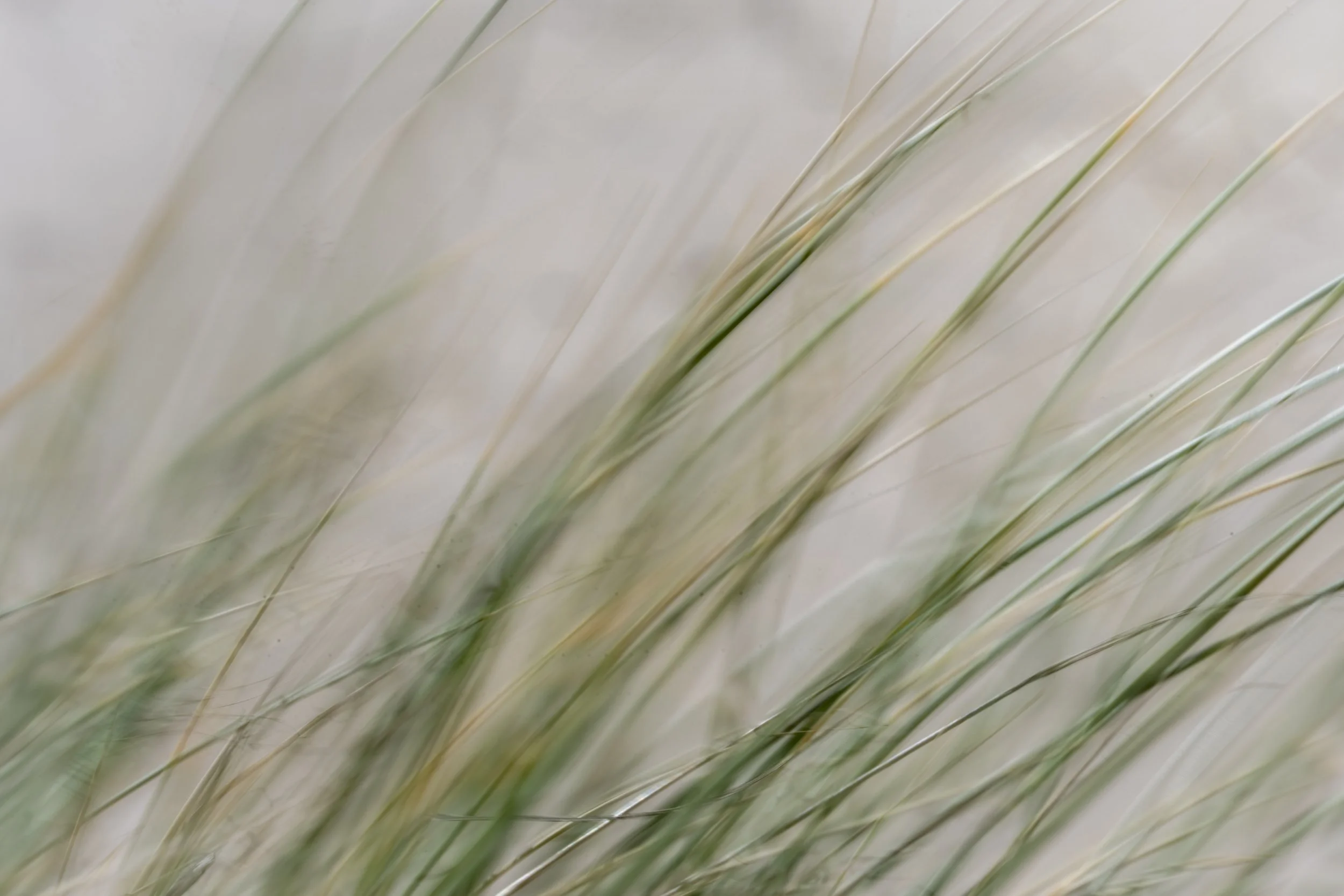
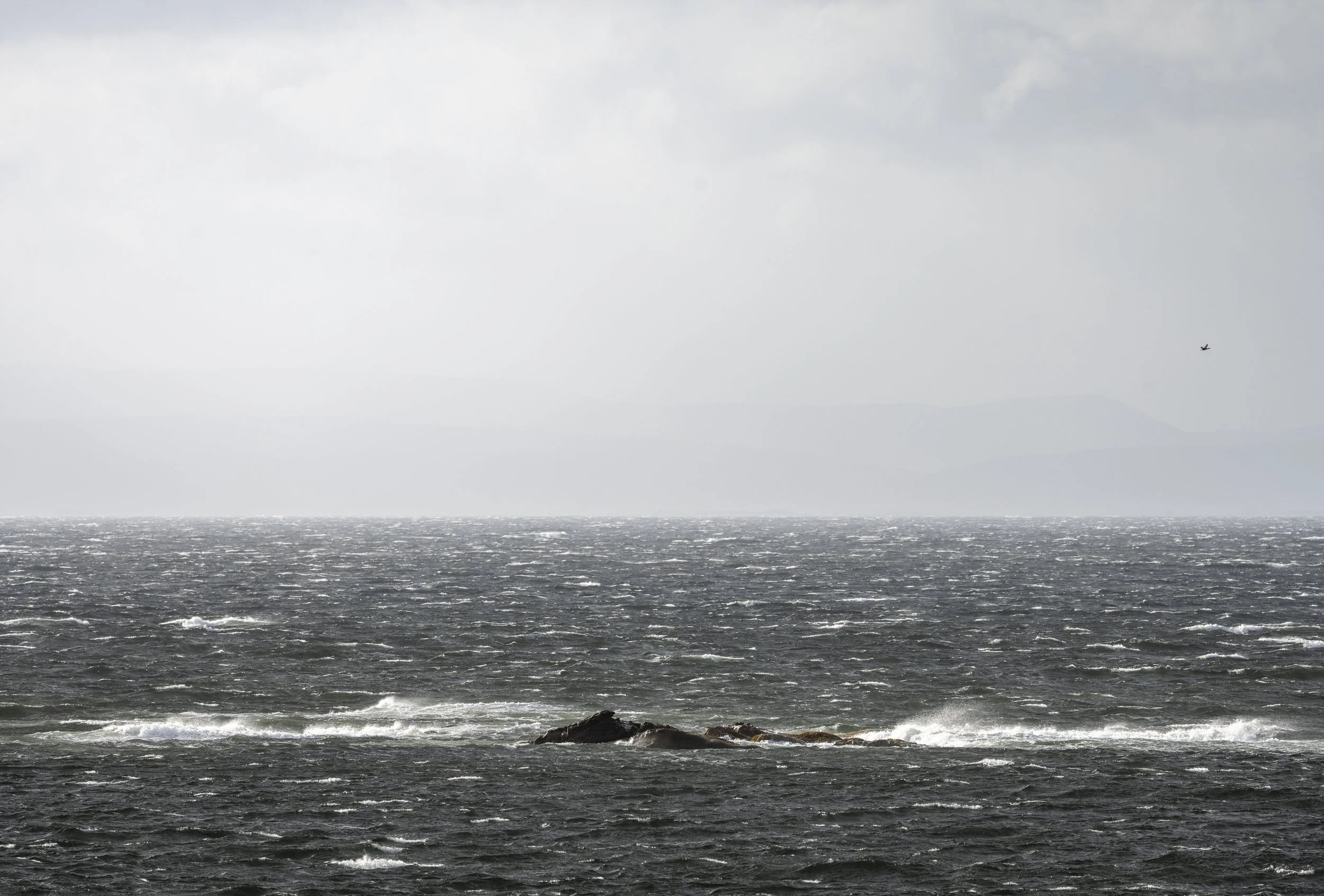
Living in the UK, I'm very familiar with how often people complain about the weather. It's too wet. It's too windy. We've had too much rain, or we haven't had enough. It's too sunny, too warm, or not warm enough. And where has the sun gone?
We can spend so much time wishing the weather were different that we forget to appreciate what the conditions in front of us have to offer. Of we spend our lives waiting for perfect conditions or for the storm to pass, we might miss the beauty and experience that the storm itself can bring. This became particularly clear during my sixth trip to the coast.
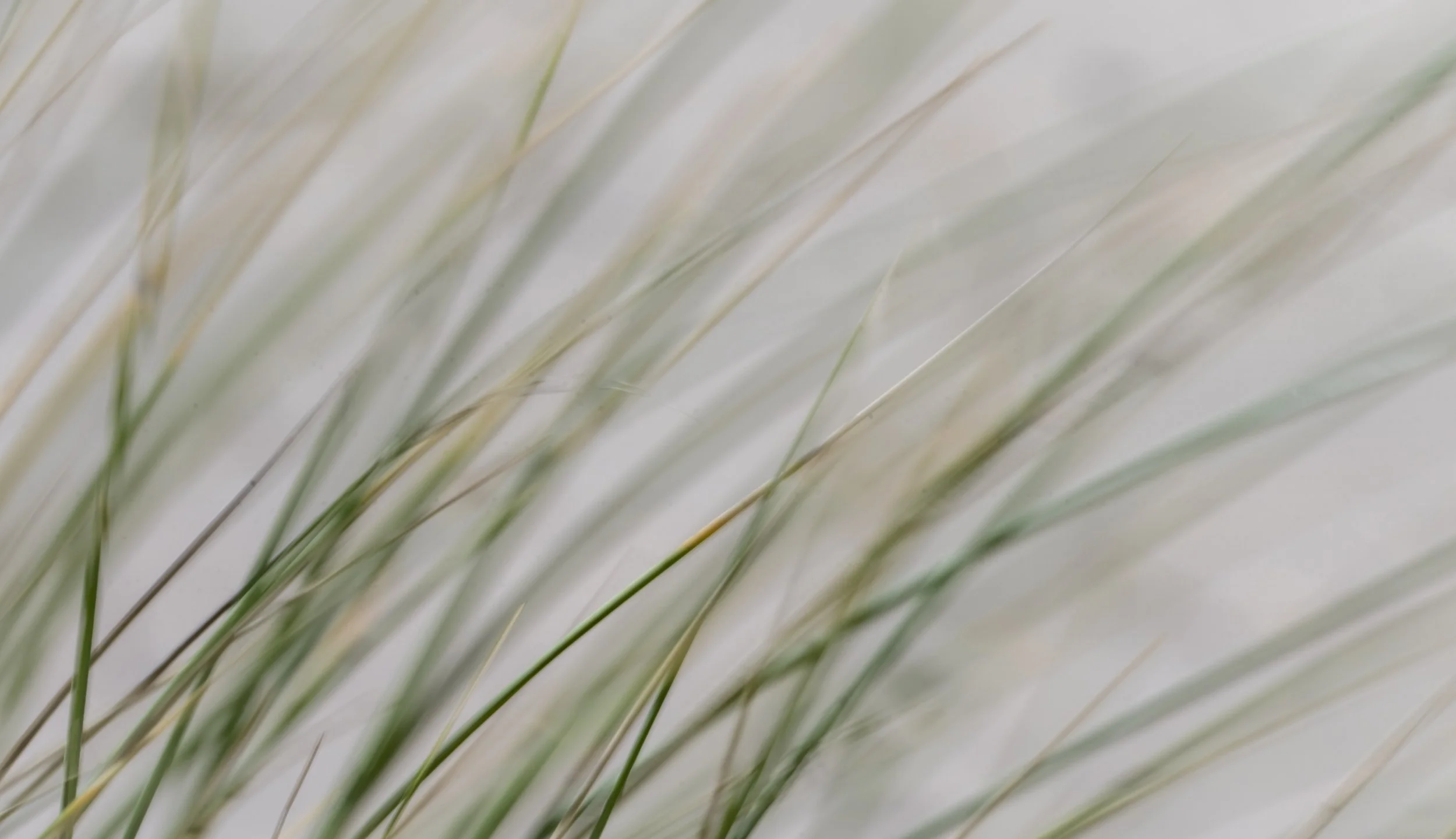
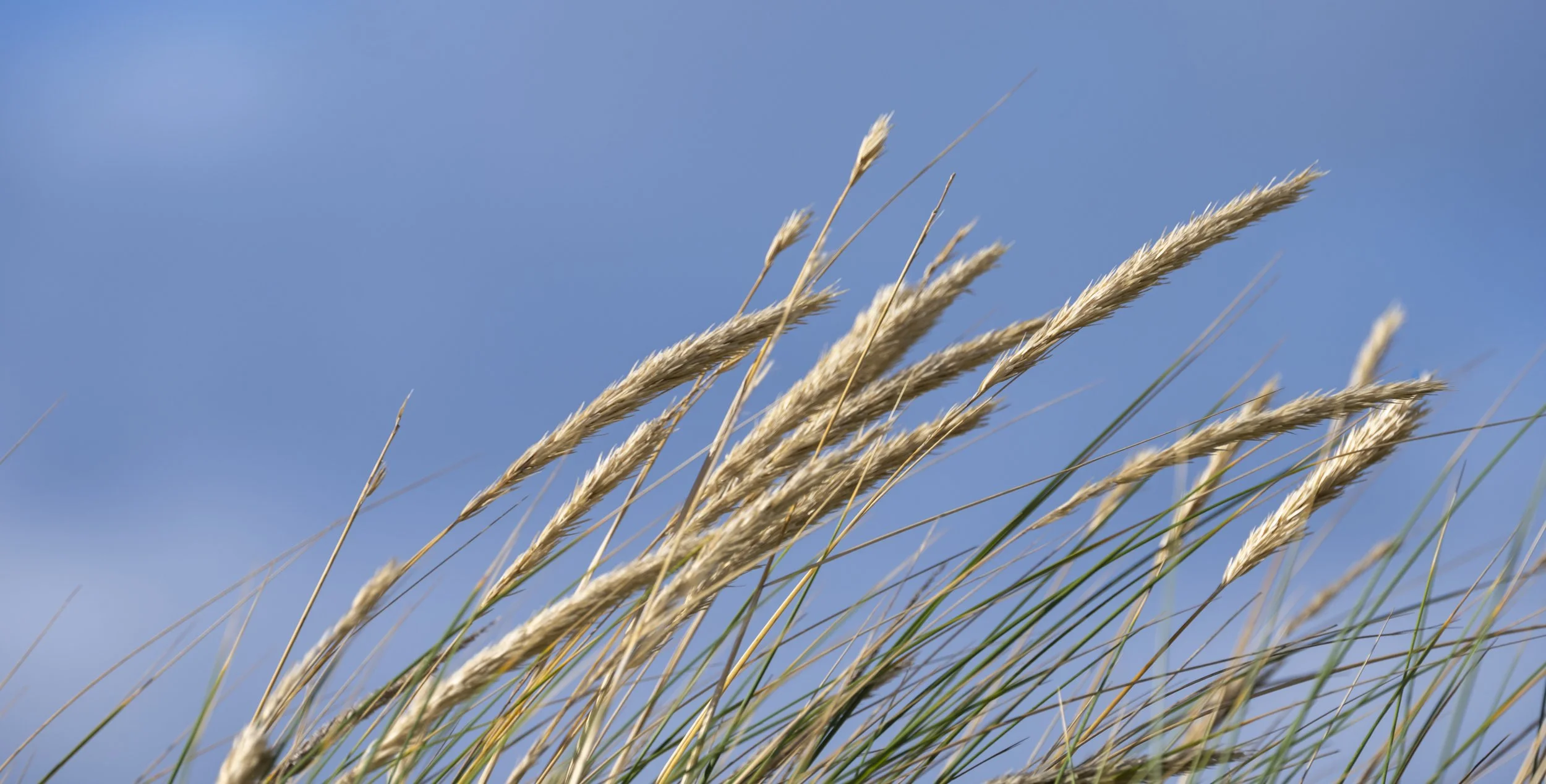
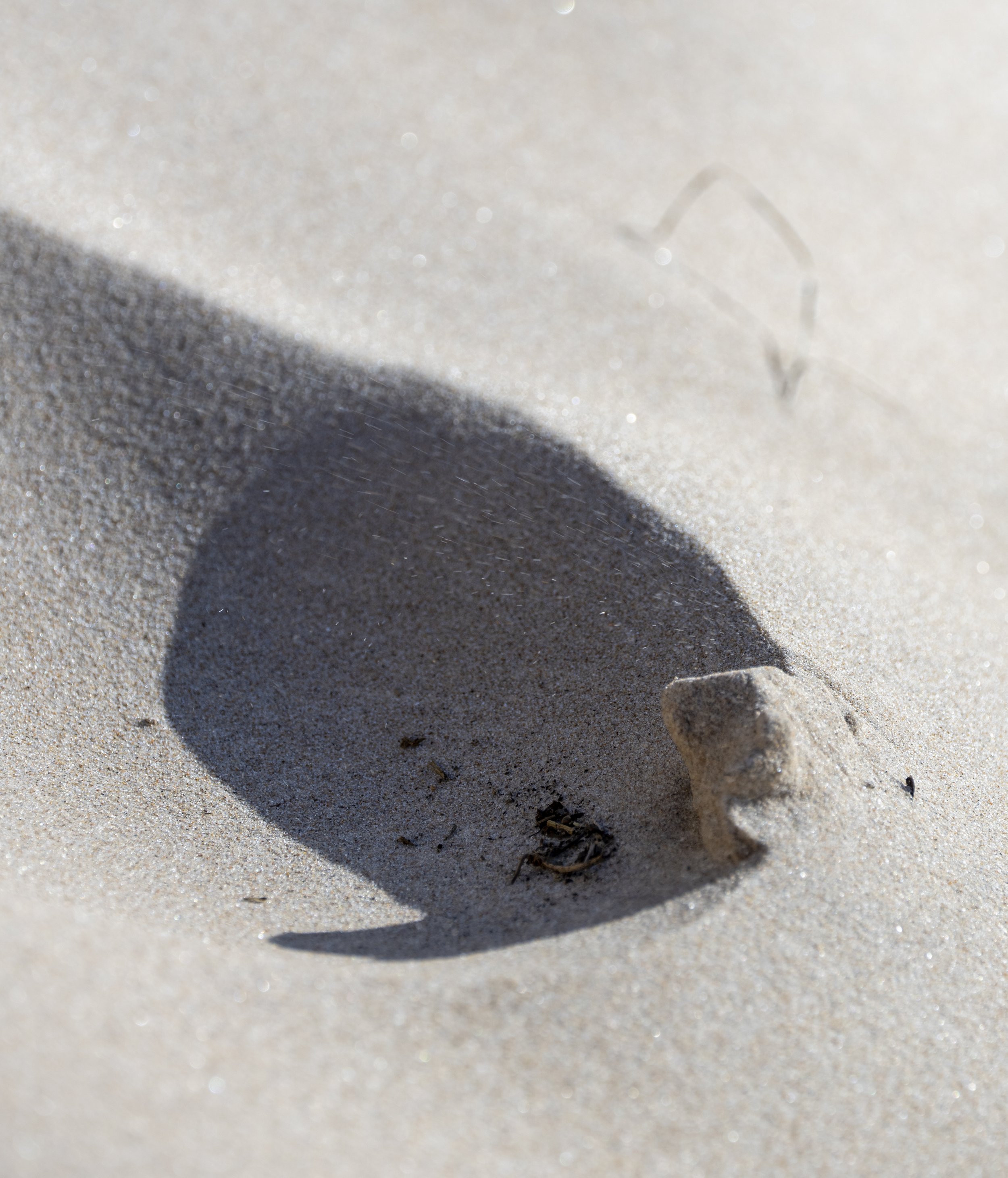
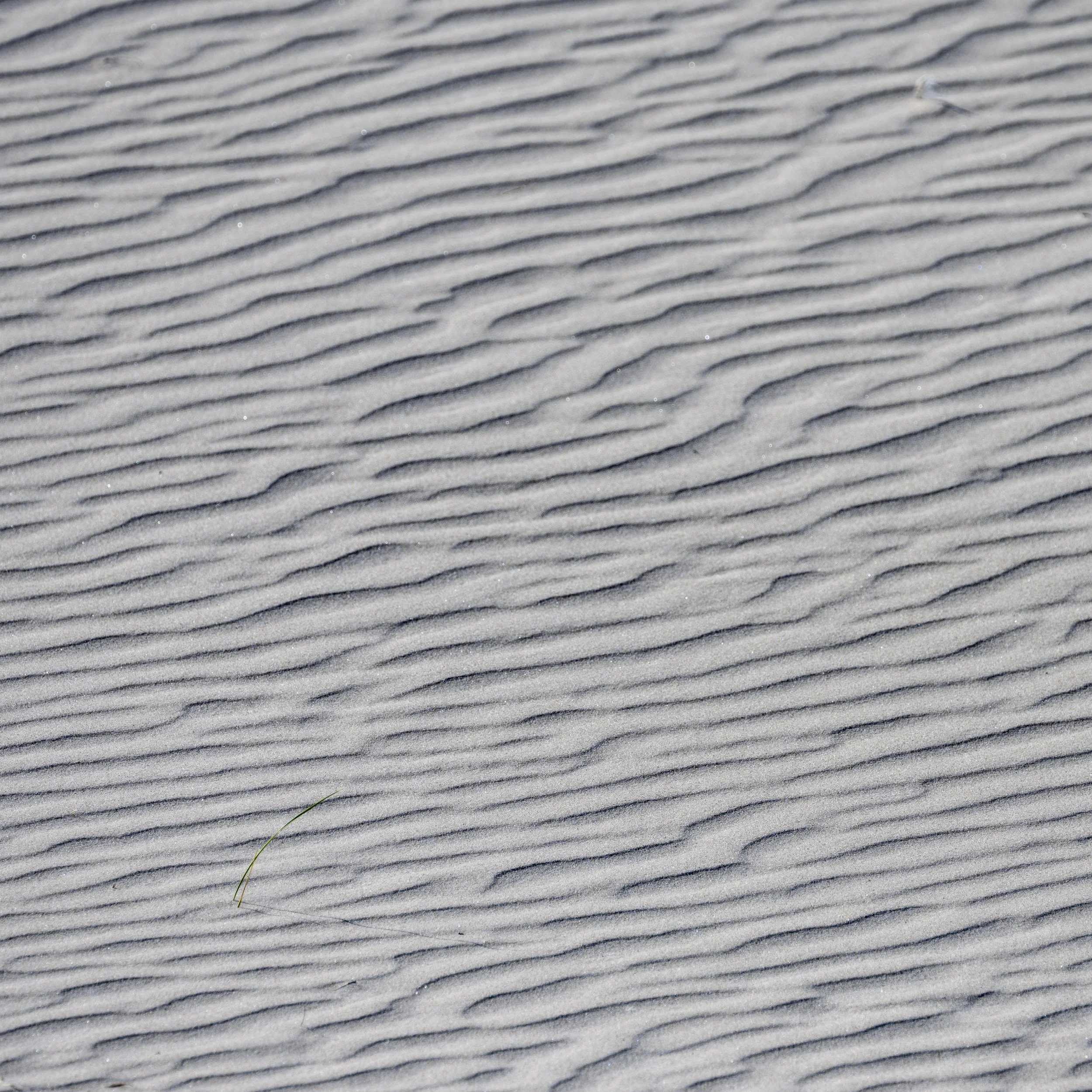
I returned to the same location as the previous outing, but this time I made a conscious decision to simplify things. I left my tripod and filters behind and went out with just one camera and one lens. I found a spot to sit and simply experienced what was happening around me. It was incredibly windy that afternoon. As I left the house, I remember thinking, “Do I really want to go out in this weather? It's wild!” But once I arrived at the coast and stepped out into the wind, something wonderful happened. I felt completely alive. Words can hardly describe the feeling. Earlier that day, I'd been feeling tired and lethargic, but being out in the elements seemed to bring a huge wave of energy.
I was sitting on the sand dunes with the wind blowing towards me, and I felt invigorated by the experience. I remembered something a dear friend who does energy work had once shared with me: that wind blowing towards you can feel as though it's giving you energy, whereas wind blowing against your back can feel as though it's taking it away. I hadn't consciously chosen that particular spot or direction. It had simply happened. But sitting there, feeling the force of the wind, I understood what she meant on a personal level. I felt energised, joyful, and almost childlike in my excitement.
I didn't create my favourite images of the series that day. But I experienced something that was far more valuable than getting a particular photograph: a deep sense of joy and aliveness that I might never have discovered if I'd stayed at home. It reminded me that the value of a photographic outing isn't always measured by the images we bring back. Sometimes, it's about how we feel while we're there.
We can't control the weather. We can't make the wind stop blowing or the clouds disappear. But we can choose whether we spend our time resisting the conditions or exploring what they have to offer. Of course, it's important to stay safe. Dangerous weather is not something to push through. But when conditions are simply wet, windy, cold, or grey, they don't necessarily need to stop us from enjoying the outdoors.
Perhaps we can learn to dance in the rain rather than waiting for the sun to come out.
A little reminder: The next time the weather isn't what you'd hoped for, ask yourself whether there's still a way to enjoy being outside. Dress appropriately, stay safe, and allow yourself to experience the elements. You might discover that what you thought would be an unpleasant outing becomes one of the most uplifting experiences you've had in a long time.
7. Trust Your Intuition
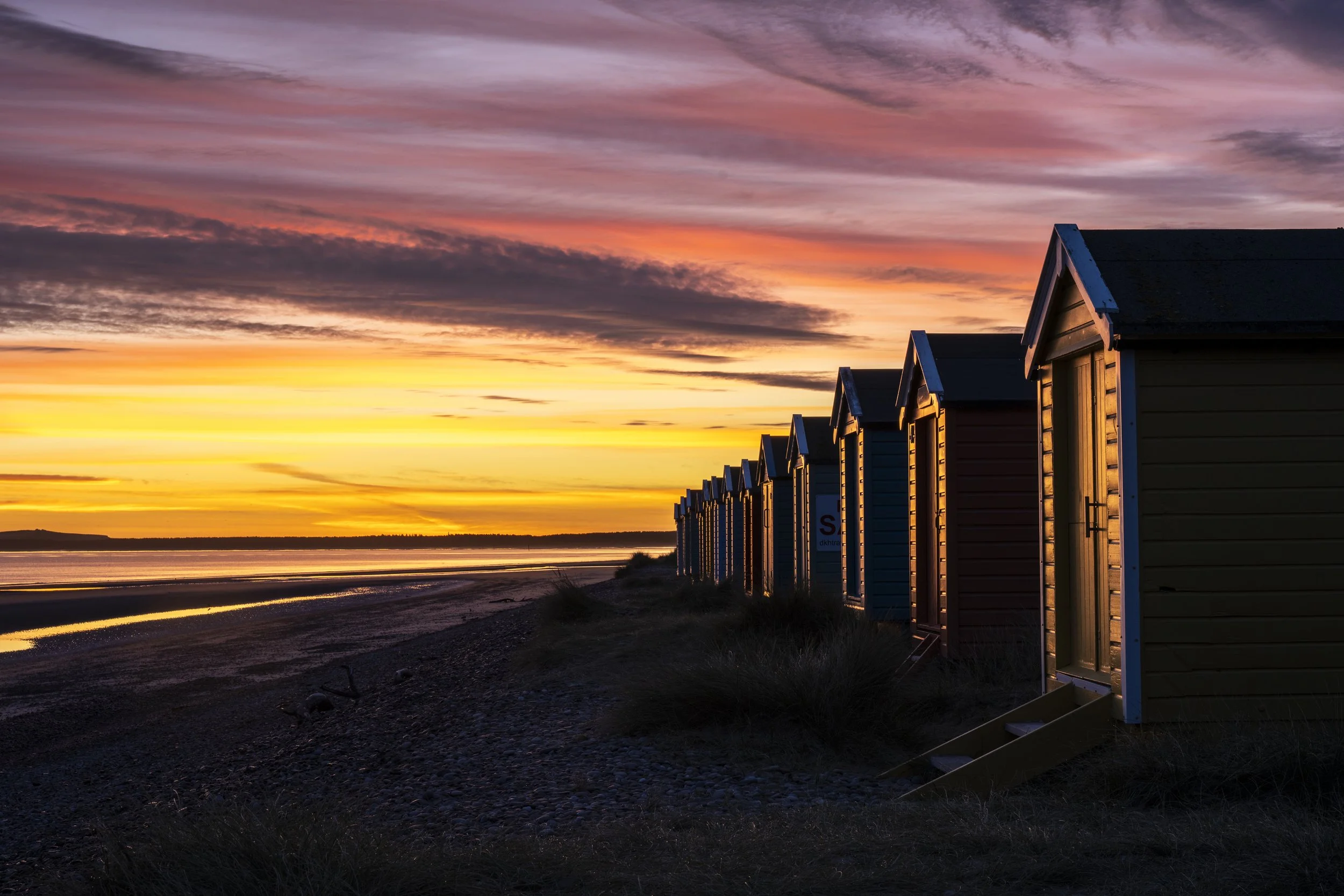
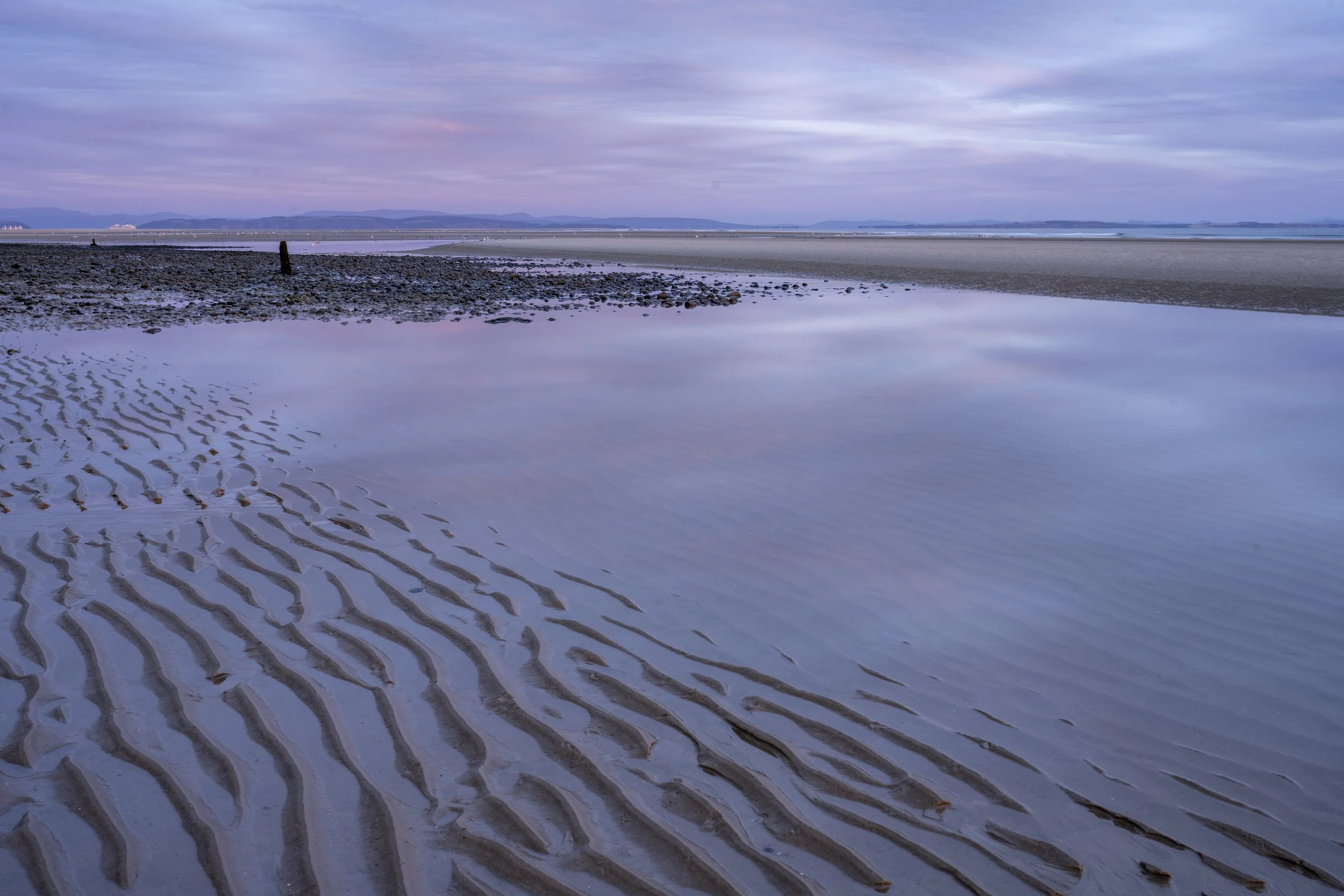
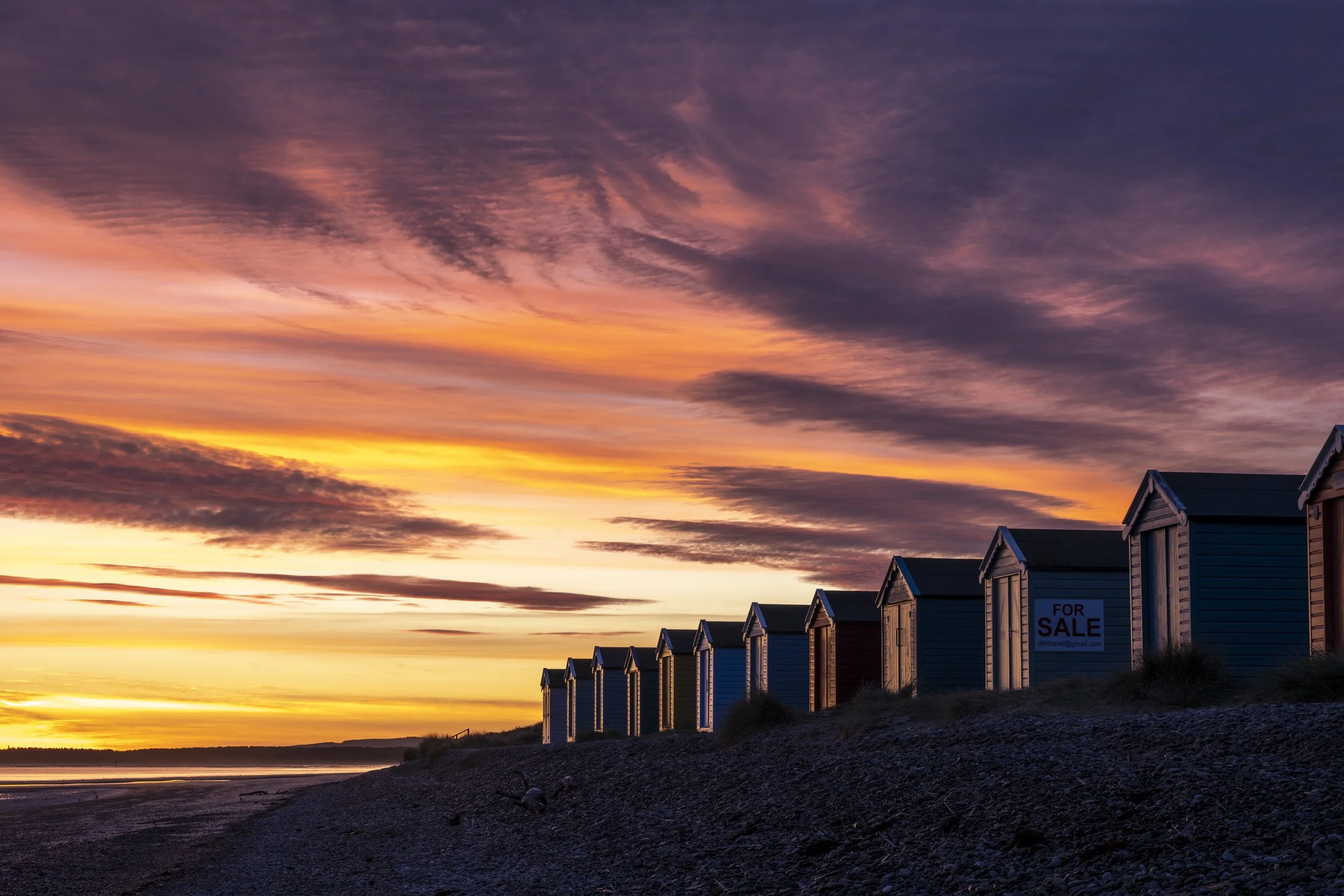
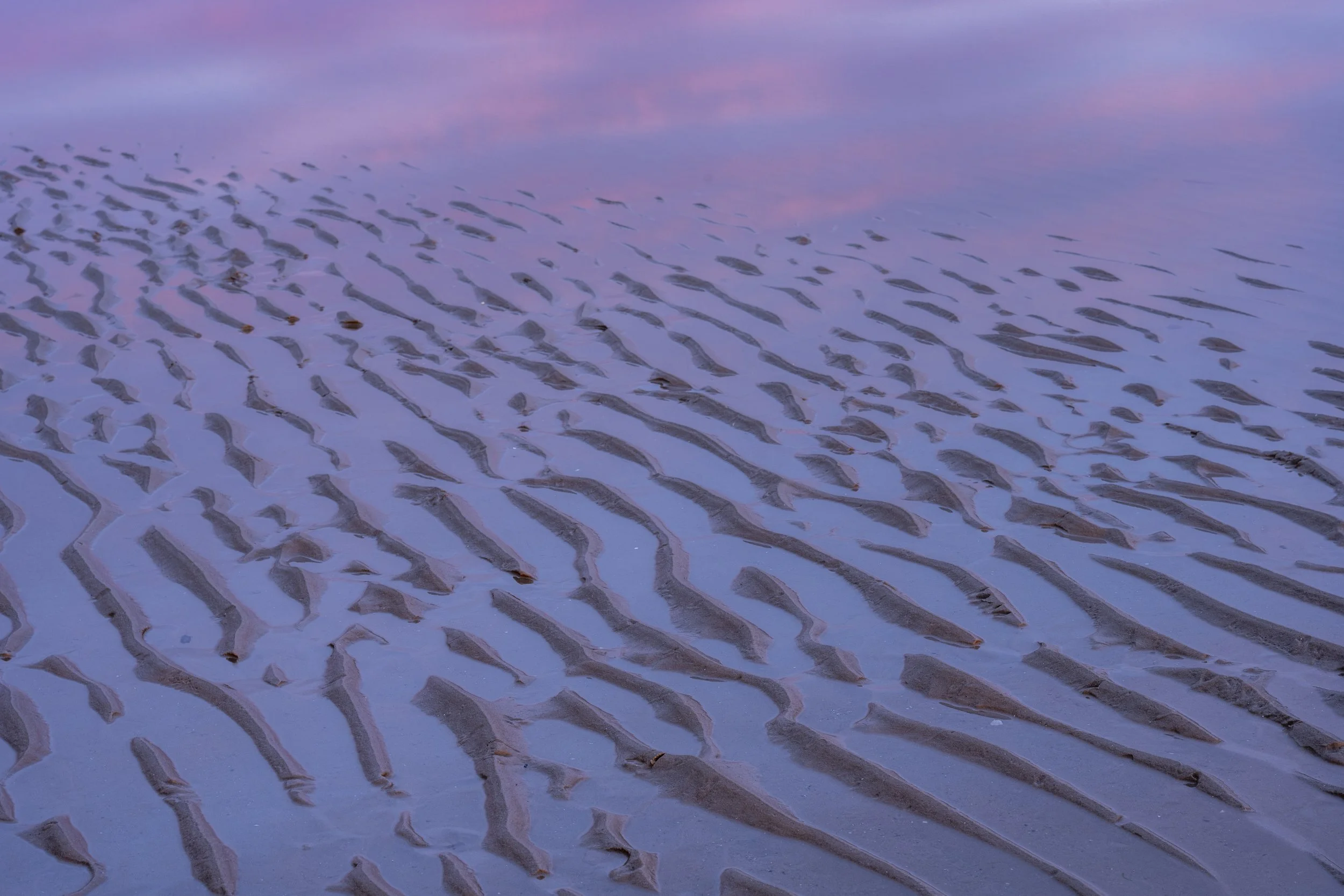
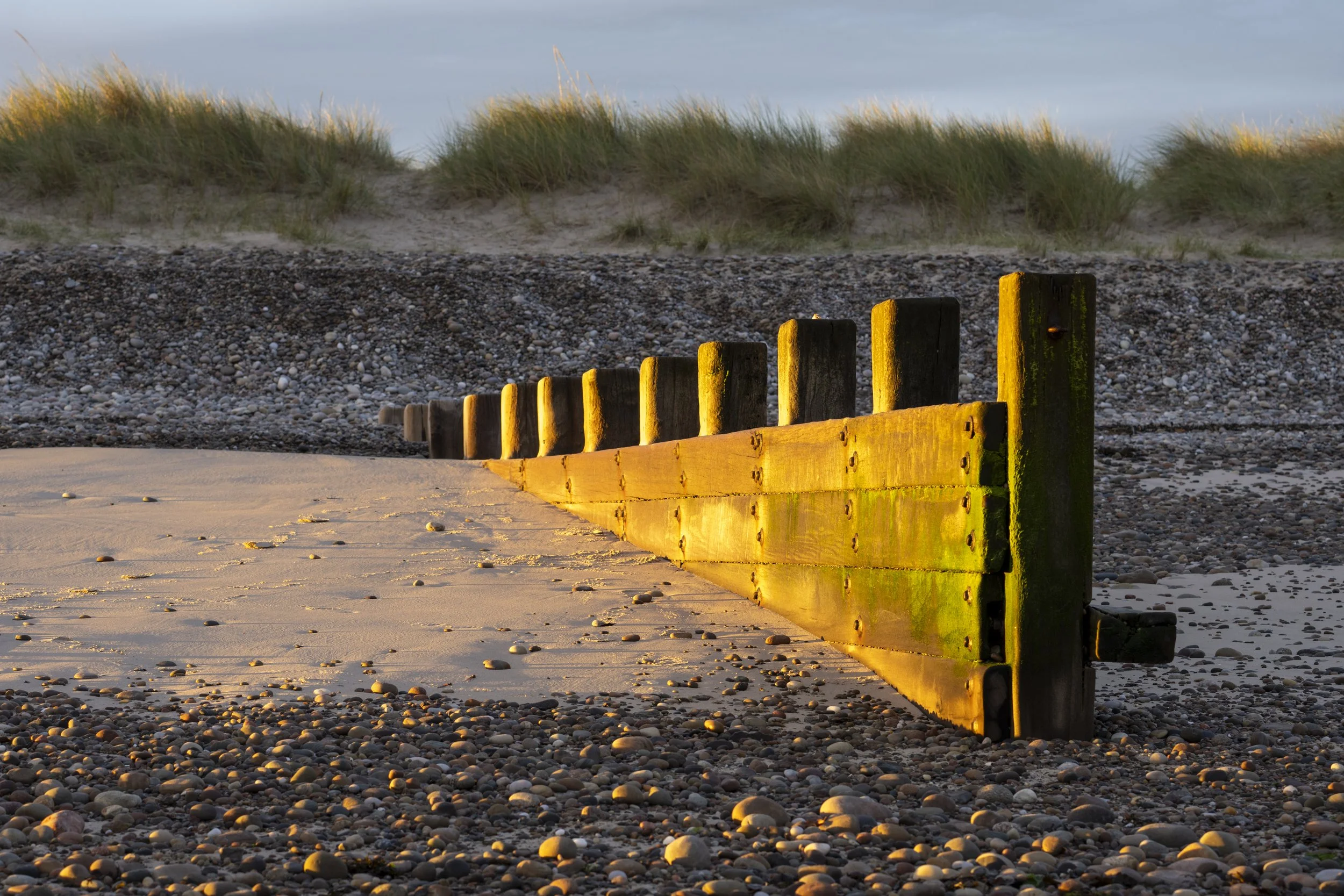
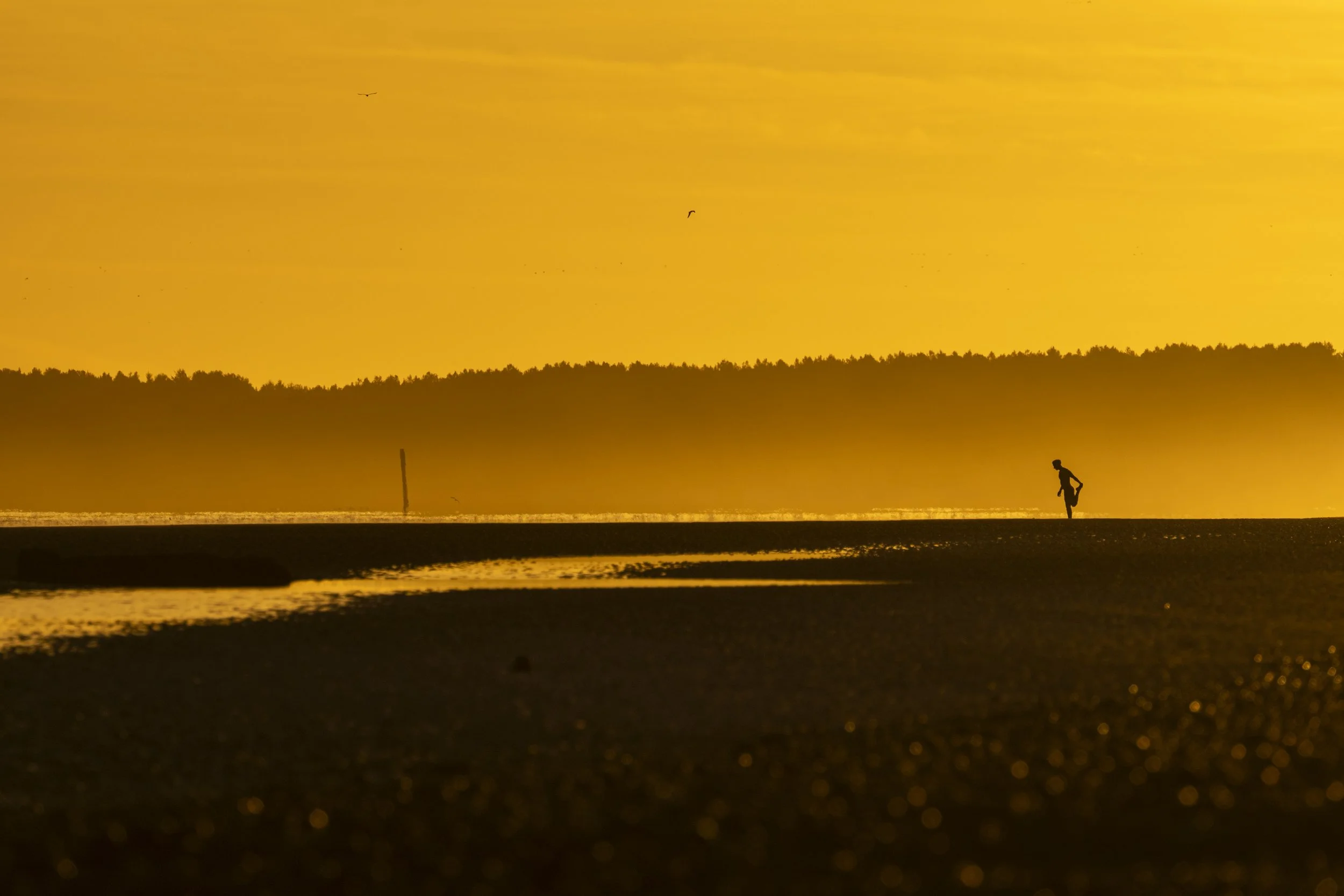
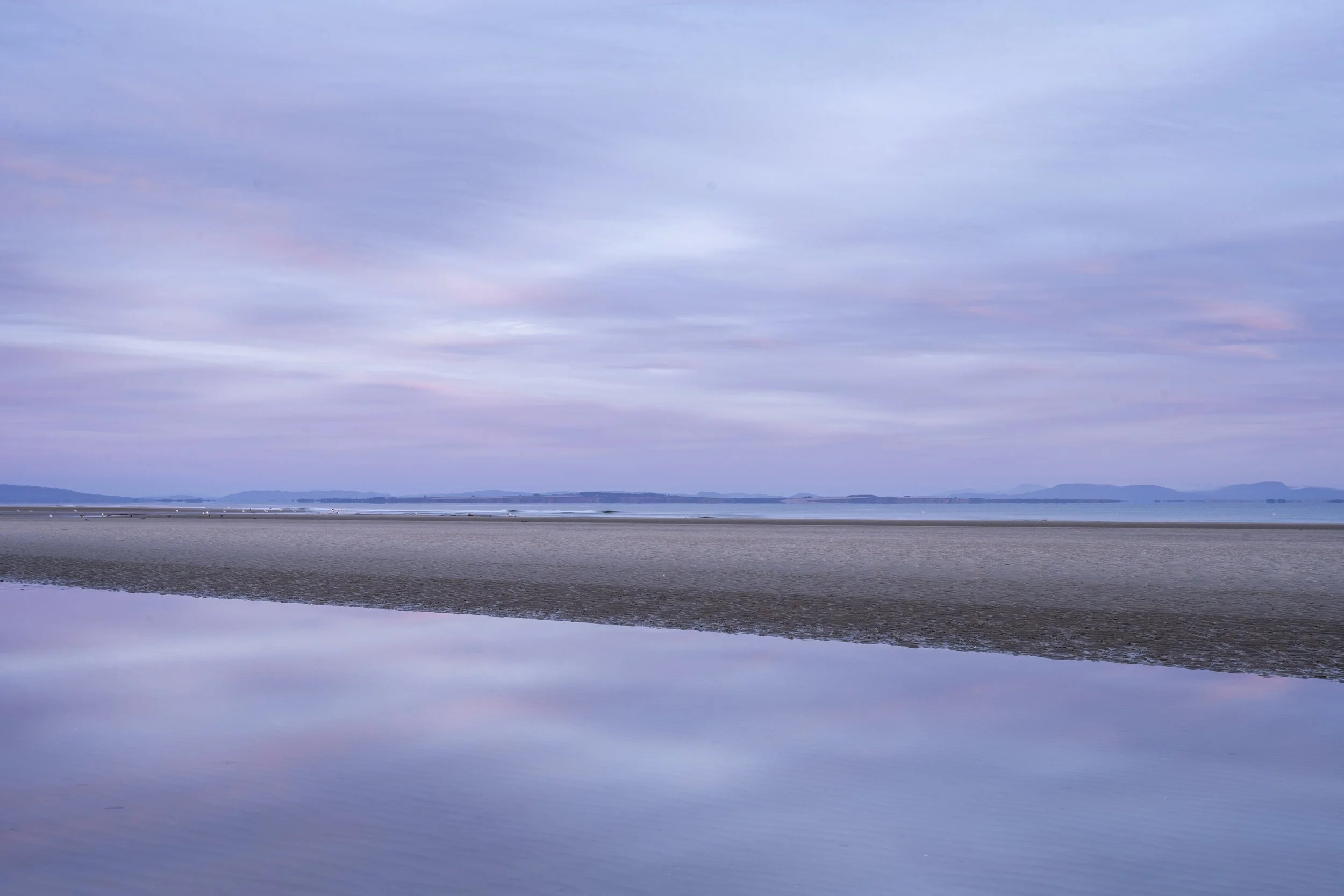
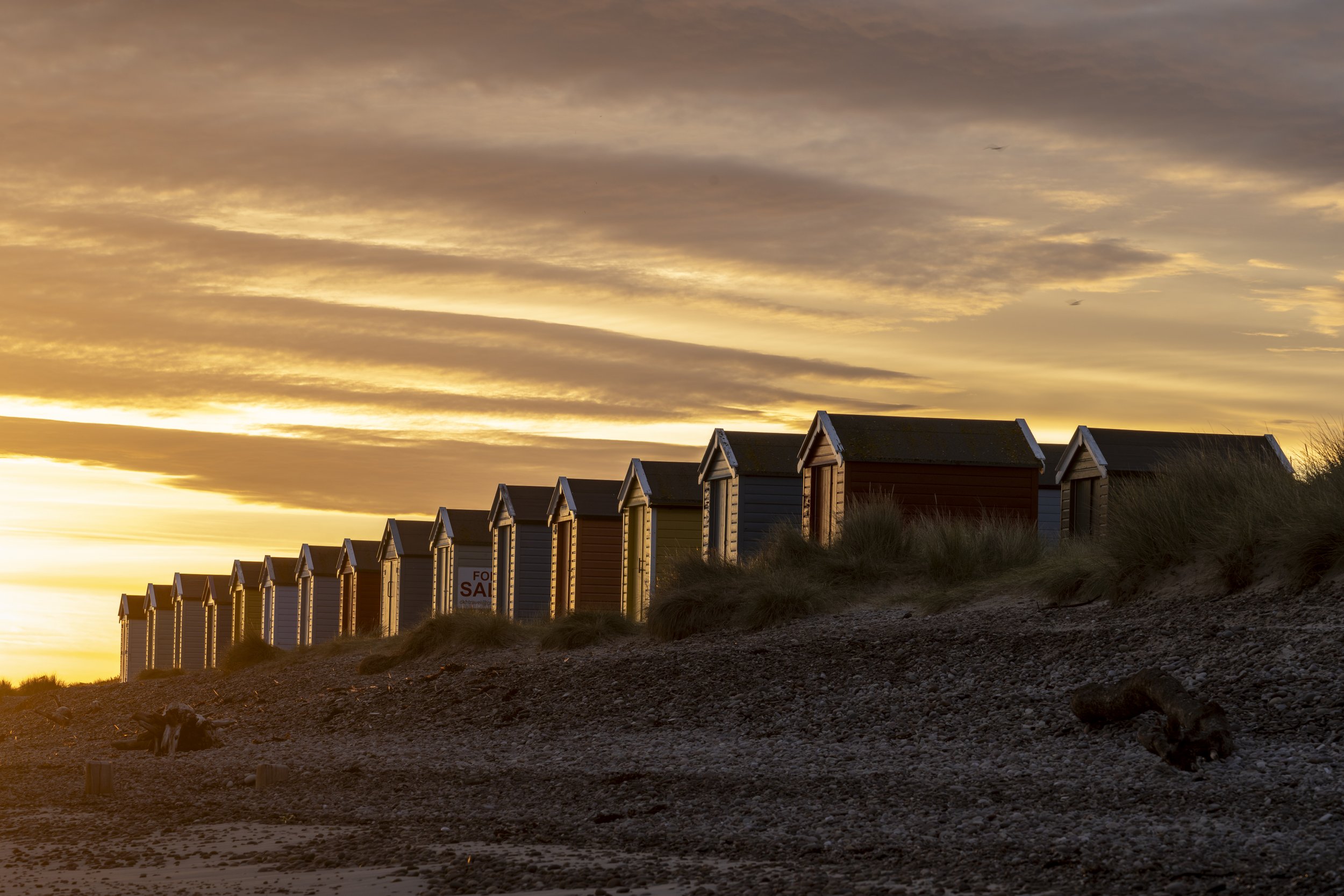
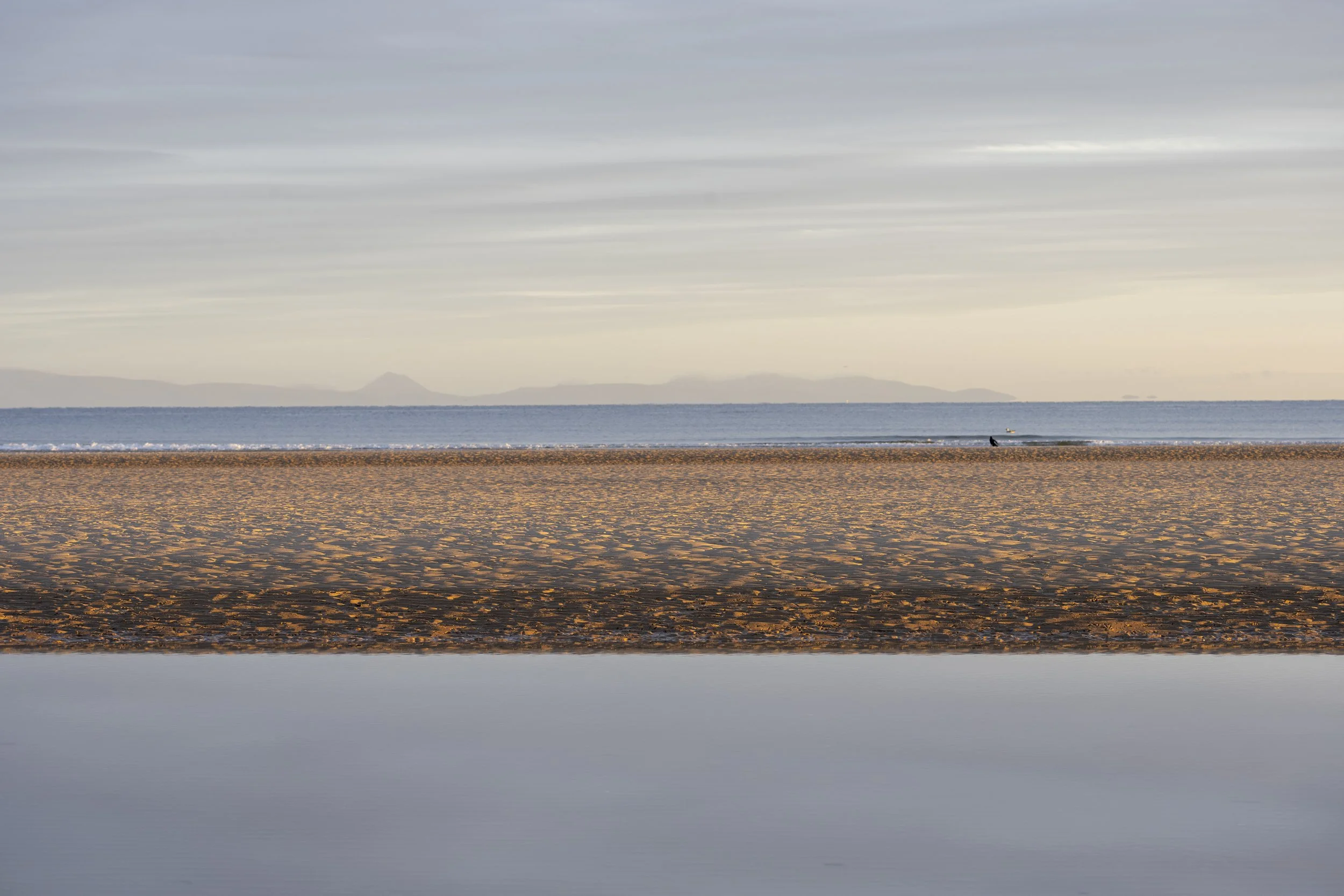
When I first started photography, I was taught the importance of planning a photographic outing. Check the weather forecast. Work out where the sun will rise or set. Consider the conditions, choose your location, and make sure everything is organised before you head out. Planning can certainly be useful, and there are times when it's essential. But over the years, I've realised that following a rigid plan can sometimes restrict my creativity.
I've become increasingly aware of the value of listening to my intuition. Sometimes, I'll be sitting at home and suddenly feel that I need to go out and photograph the sunset. I can't necessarily explain why. I just have a feeling that I should go. And more often than not, when I listen to that feeling, I end up having an incredible experience.
For the final episode of my Seven Trips to the Coast series, I wanted to end on a high note. I knew I wanted to photograph a sunrise because it was something I hadn't done during the previous trips. I'd originally intended to do it more than a week earlier, but it didn't happen then.
The night before the sunrise I eventually photographed, I was sitting at home when I suddenly felt an urge to get up early and head to the coast the following morning. I listened to that feeling and checked the forecast. The conditions looked favourable, with calm weather and the possibility of breaks in the clouds. But there was nothing to suggest that I was about to witness an extraordinary sunrise.
I'm so glad I listened to my intuition because that morning turned out to be absolutely incredible. It was the kind of experience that reminds you why you love photography: not just because of the images you create, but because of the feeling of being somewhere beautiful at exactly the right moment.
We all experience intuition in different ways. For some people, it might be a quiet feeling, a sudden idea, or an instinct that draws them towards a particular place or activity. For me, learning to recognise and trust that feeling has become an important part of my photographic journey.
When we rely entirely on planning and logic, we can sometimes overlook the opportunities that arise when we leave room for spontaneity. We might dismiss an idea because it wasn't part of the original plan, or convince ourselves that we need more information before we can take action. But not every meaningful experience can be planned in advance. Sometimes, we simply have to listen to that inner nudge and see where it leads us.
This doesn't mean abandoning common sense or ignoring practical considerations. Checking the weather, preparing appropriately, and staying safe are all important. It's about allowing intuition to work alongside planning rather than letting planning dictate every decision. If you find that too much organising is getting in the way of your creativity, perhaps it's time to experiment with a different approach.
A little reminder: The next time you feel drawn to go somewhere, try something new, or explore a creative idea, pause and consider whether that feeling deserves your attention. If it's practical and safe to do so, give yourself permission to follow it. You never know what wonderful experience might be waiting for you.
7 Trips, 7 Lessons and a Renewed Love for the Coast
When I began my Seven Trips to the Coast project, my intention was simple: I wanted to spend more time photographing a landscape that had inspired me to begin my photographic journey. What I didn't expect was how much those trips would teach me about life beyond photography.
Each outing offered something different, and together they reminded me of seven important lessons:
There's always something new to see. Familiar places and experiences are constantly changing, and there's always more to discover when we look with fresh eyes.
Creativity can save the day. When things don't go according to plan, imagination can help us find beauty and possibility in unexpected circumstances.
You don't need lots of time. Even a short amount of time spent doing something you love can bring joy, energy, and connection.
Not every moment needs to become an image. Sometimes the most meaningful thing we can do is put the camera down and experience the world around us.
Don't let equipment distract you from the beauty. Our tools should support the experience, not prevent us from connecting with what's right in front of us.
Embrace the elements and you will flourish. We can't control the weather or every circumstance in our lives, but we can learn to find joy in experiences we might otherwise avoid.
Trust your intuition. Planning has its place, but leaving room for spontaneity can lead us towards unexpected and wonderful experiences.
Most importantly, these seven trips helped me rediscover my love for photographing the coast. They reminded me why I started taking photographs in the first place and how spending time in nature can bring us a sense of peace, joy, and connection through all of life's ups and downs.
Photography isn't simply about the images we create. It's also about the experiences we have, the feelings we discover, and the memories we carry with us. It's about slowing down, noticing the world around us, and allowing ourselves to be moved by what we see. Sometimes that means experimenting with our cameras and discovering a new creative approach. Other times, it means making time for a short photographic outing in the middle of a busy day. It might mean leaving some of our equipment at home, embracing the wind and rain, or following an instinct that encourages us to head outdoors. And sometimes, it means putting the camera down altogether.
We don't need to embark on an ambitious project to experience something similar. We could revisit a favourite place, take a short walk somewhere new, or simply spend a few minutes noticing the natural world around us. The important thing is to make space for what we love, to be open to what each experience brings, and to remember that we don't have to create something extraordinary every time we pick up a camera. Because photography isn't all about making images. It's about the experience, the feeling, and the memories.
When we learn to appreciate these things and explore the gifts that nature and photography can bring us, our lives can become richer. We can find moments of peace and joy, reconnect with ourselves, and discover new ways to navigate the inevitable ups and downs of life, whatever stage of our journey we're in.
I'd love to hear from you: Have you ever learned an unexpected life lesson through photography or spending time in nature? Which of these seven lessons resonates most with you? Or has your own experience taught you something completely different? Share your thoughts in the comments. I'd love to hear your story.
And if you haven't watched my Seven Trips to the Coast series yet, you can find the episodes together in a playlist on my YouTube channel:
📹 »» PLAY SERIES PLAYLIST
Thank you for being here, and remember to make time for the things that bring you joy. Until next time, happy photographing!
